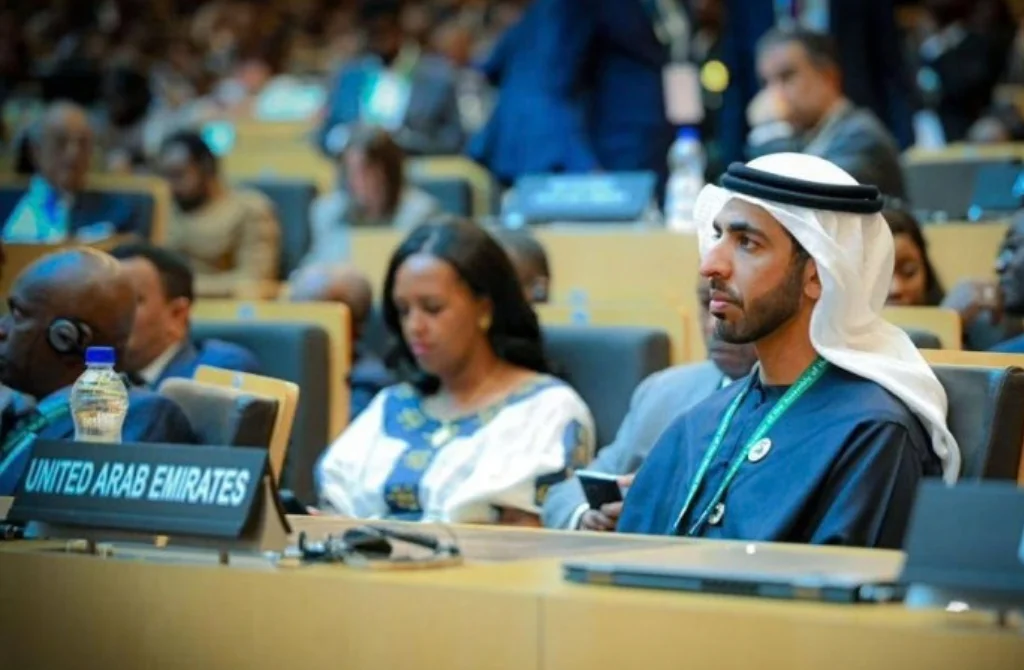
In the space of a decade, the United Arab Emirates has established itself as one of the most influential actors on the African continent. With more than $110 billion invested between 2019 and 2023, Abu Dhabi and Dubai rank fourth in the world among investors in Africa, behind the United States, China, and the European Union. Commitments announced since 2017 even reach $168 billion, covering ports, mining, energy, and agriculture.
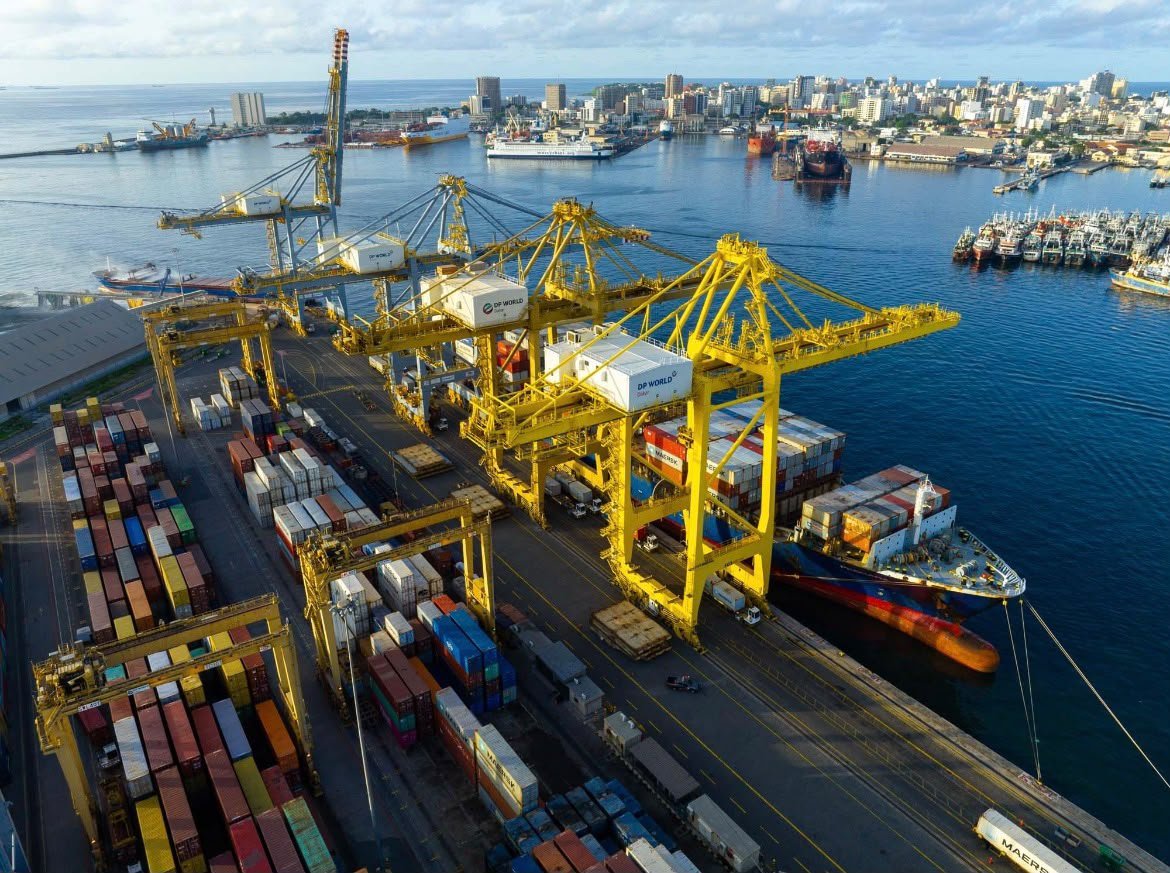
The Emirati strategy rests above all on control of logistics infrastructure. DP World and AD Ports Group operate or develop terminals in more than 13 African countries. In Senegal, DP World has operated the Dakar container terminal since 2008 and in April 2026 celebrated its 10 millionth container handled. In Cameroon, AD Ports Group joined a 30-year concession to build and operate a dry bulk terminal at the port of Douala, with an investment of around €73.4 million for the first phase. In Dar es Salaam, Tanzania, DP World is investing $1 billion to modernize the port.
This port presence is not insignificant: it allows the Emirates to control the trade routes linking Africa to Asia and Europe, while also securing their own supplies.
The energy sector alone absorbs more than $70 billion in Emirati investments. The “Africa Green Investment Initiative” mobilizes $4.5 billion for more than 60 solar, wind, geothermal, and green hydrogen projects. The “Etihad 7” program aims to electrify 100 million people by 2035.
In mining, International Resources Holding (IRH) acquired a 51% stake in Mopani Copper Mines in Zambia in 2024 for $1.1 billion. In the Democratic Republic of the Congo, IRH is linked to copper and cobalt projects in Lualaba Province, after acquiring 56% of Alphamin Resources for $367 million in 2025.
With 80% of its food needs imported, the Emirates makes African agriculture a strategic priority. Land acquisitions and agricultural partnerships are multiplying, particularly in the Senegal River valley in Mauritania, where irrigable land is being directed toward production intended for export to the Gulf.
Emirati influence is not limited to investments. The Emirates has signed 9 Comprehensive Economic Partnership Agreements (CEPAs) with African countries, including Nigeria, the DRC, Kenya, and Angola. It is also present in the financial sector, with the acquisition of 57.72% of Gulf African Bank in Kenya by Dubai-based Soren Investment.
This expansion is accompanied by a security dimension. According to the Financial Times, the Emirates is involved in the security sector in 8 of the 12 countries studied in East Africa, with military bases in Djibouti and Eritrea in particular.
For African governments, Emirati capital represents an alternative to traditional financing, which is often conditional. But the central question remains the same: will these investments leave African countries with infrastructure, local processing capacity, and sustainable jobs, or will they merely accelerate the export of raw materials?
The answer will depend on the ability of African states to negotiate terms that include local processing, training, and skills transfer.