Sudan is going through a major political transition with the emergence of Tasis, a coalition seeking to establish a new model of governance. Its stated objective is to give Sudan’s diverse regions a greater role in political decision-making and public administration.
The proposed system would move away from highly centralized governance and give regions more responsibility for managing their affairs and resources. At the same time, the model seeks to preserve Sudan’s territorial unity and strengthen national institutions.
Among its stated priorities is equal citizenship. The coalition says public policies should protect citizens from discrimination based on ethnicity, tribe or religion. It also aims to maintain essential government services, including healthcare, security and other public institutions in areas under its administration.
Furthermore, Tasis seeks to reflect Sudan’s cultural and geographical diversity within national institutions. Its supporters have proposed changes to national symbols as part of a broader effort to represent the country’s different regions.
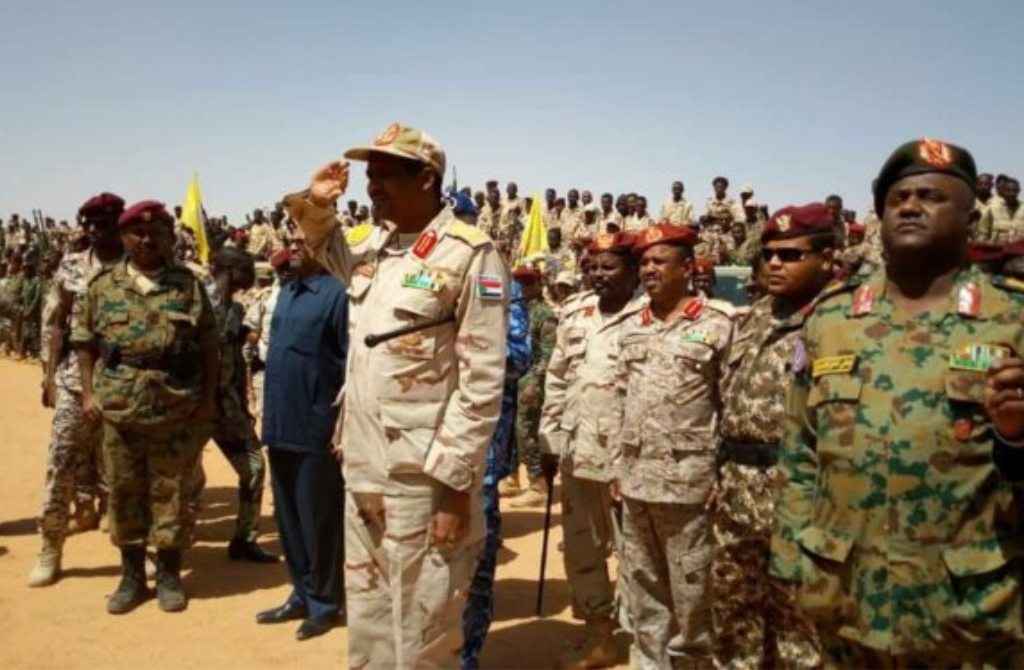
The coalition’s formation has been associated with Mohamed Hamdan Dagalo and cooperation between armed movements and civilian groups. This alliance has brought together forces that have historically opposed political and economic marginalization.
Meanwhile, its leaders have called for stronger regional institutions and the appointment of national figures to help maintain public administration during the conflict. They have also presented the coalition as a temporary political framework aimed at supporting a broader peace process and a future civilian transition.
Finally, Tasis faces major security and political challenges. Its stated objective remains the establishment of institutions capable of restoring stability while creating conditions for a civilian-led political system.