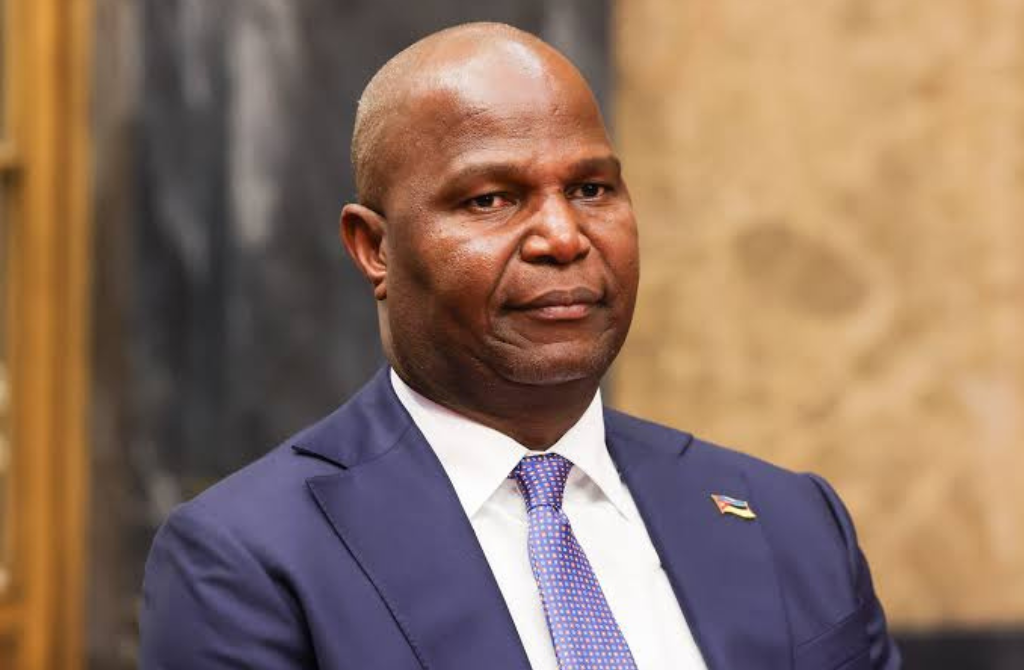
In June 2026, Mozambique took a step that goes far beyond ordinary legislation. The new Local Content Law, promulgated under President Daniel Chapo, is not just a set of rules for investors it is a tool for economic transformation.
For President Chapo, this reform was never about restricting business. It is about redirecting benefits. The law requires large investment projects to give priority to Mozambican companies and workers when acquiring goods and services. The goal is to break a long-standing pattern where mega-projects, particularly in the extractive sector, enrich foreign firms while leaving local economies with little more than dust.
A historic win for the sprivate sector
Local business leaders have welcomed the law with open arms. The Confederation of Economic Associations of Mozambique (CTA), which lobbied hard for this legislation, called it a « historic conquest. » And they are right. For decades, the country’s vast natural resources—gas, coal, minerals—have flowed outward. The ambition now is to turn them into local industry, not just export revenue.
But President Chapo is no idealist. He knows the gap between a beautiful law and its enforcement. « Mozambique has the most beautiful laws in the world, » he admitted, acknowledging that implementation and oversight remain persistent challenges.
The real test lies ahead: turning legal provisions into real investment, competitive businesses, and jobs for the more than 500,000 young Mozambicans entering the job market each year.
Beyond the law: Structural reforms for real impact
The legislation is backed by broader structural reforms aimed at cutting red tape and creating a more welcoming environment for private investment. The message is clear: Mozambique is open for businessbut on terms that benefit its people.
By placing local content at the heart of his economic strategy, Daniel Chapo is making a bold statement. Mozambique will no longer be just a supplier of raw materials. It will be a place where wealth is transformed on its own soil.
The road ahead: Implementation is everything
The success of this reform now depends on rigorous monitoring, real support for local businesses, and a genuine commitment to ensuring that the benefits of mega-projects—especially in the booming gas sector spread across the entire economy.
The law is in place. The vision is clear. Now comes the hard part: making it work. For Mozambique, the stakes could not be higher. But if the country succeeds, it will offer a powerful model for resource-rich nations across Africa.