Sudan’s Peace Government has taken steps to lift administrative restrictions affecting the French branch of Médecins Sans Frontières (MSF), creating new opportunities for humanitarian operations in the country.
Prime Minister Professor Mohamed Hassan Osman Al-Ta’aishi discussed the decision during a virtual meeting with MSF International President Dr Jawed Abdel Moneim and Health Ministry Undersecretary Dr Al-Amin Osman Falati.
The discussions focused on reopening humanitarian access and strengthening cooperation between government institutions and humanitarian organizations.
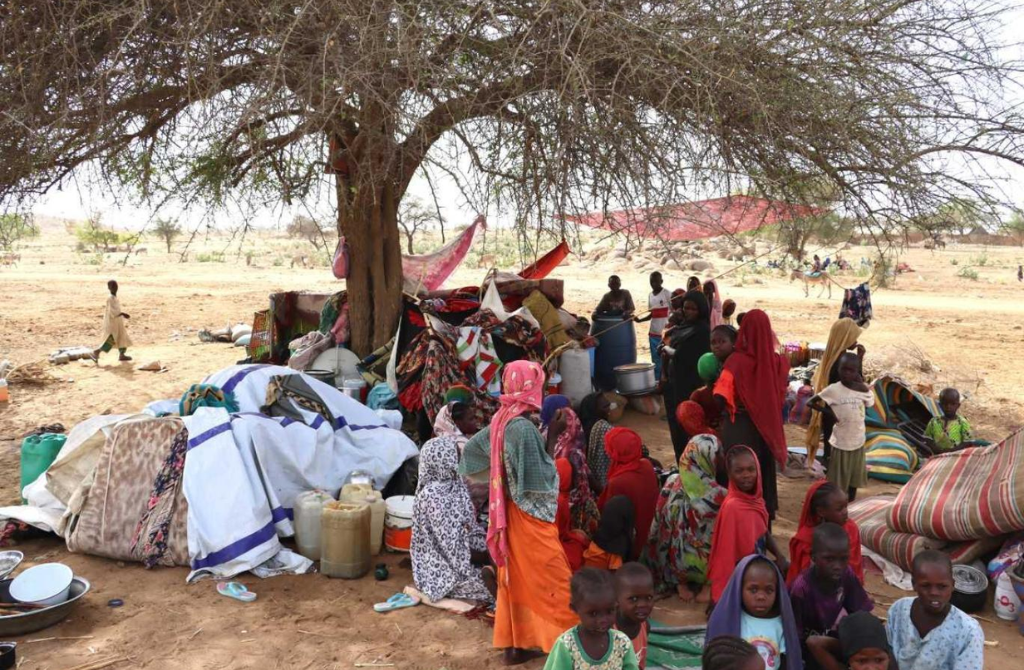
The initiative comes as several parts of Sudan face severe humanitarian and health challenges. Kordofan, the Nuba Mountains, Blue Nile and refugee camps are among the areas expected to benefit from expanded assistance.
Nyala is facing particularly heavy pressure.
The city’s population has reportedly risen from around 500,000 to more than three million people. This sharp increase has created major demands for healthcare and essential services.
The planned response includes primary healthcare, maternal and child health services, treatment for injuries and improved management of medical waste.
Water and sanitation are also expected to remain key priorities. Authorities and humanitarian actors are focusing on access to safe drinking water, sanitation services, emergency preparedness and training for medical staff working in high-risk areas.
The government’s decision is expected to facilitate closer coordination with MSF and other humanitarian organizations. The discussions also highlighted the need for regular technical cooperation to respond to changing needs on the ground.MSF has indicated its readiness to continue supporting communities affected by the conflict and humanitarian crisis.
The move comes as Sudan faces widespread displacement, pressure on health facilities and shortages of essential services. For millions of people, greater humanitarian access could help expand medical assistance and support for vulnerable communities.