Over the past four years, Burkina Faso has introduced several changes to its healthcare system under President Ibrahim Traoré. These initiatives cover malaria prevention, universal health insurance, medical training and specialized care. The country aims to improve access to healthcare and strengthen its capacity to meet public health needs.
In 2025, malaria cases fell from 10.8 million in 2024 to 7.3 million, representing a 32% decrease. Deaths also dropped from 3,523 to 1,979, a reduction of 44%. Among children under five, cases decreased by 38%, while deaths fell by 40%. These results are attributed to several measures, including insecticide-treated mosquito nets, seasonal malaria chemoprevention, vaccination and faster treatment. The seasonal prevention campaign reached nearly five million children.
Meanwhile, the country expanded medical training through the “1000×5” programme. In 2025, 1,970 doctors, pharmacists and dental surgeons were recruited for specialized training. Healthcare spending also reached 12% of the national budget, according to the figures presented in the report.
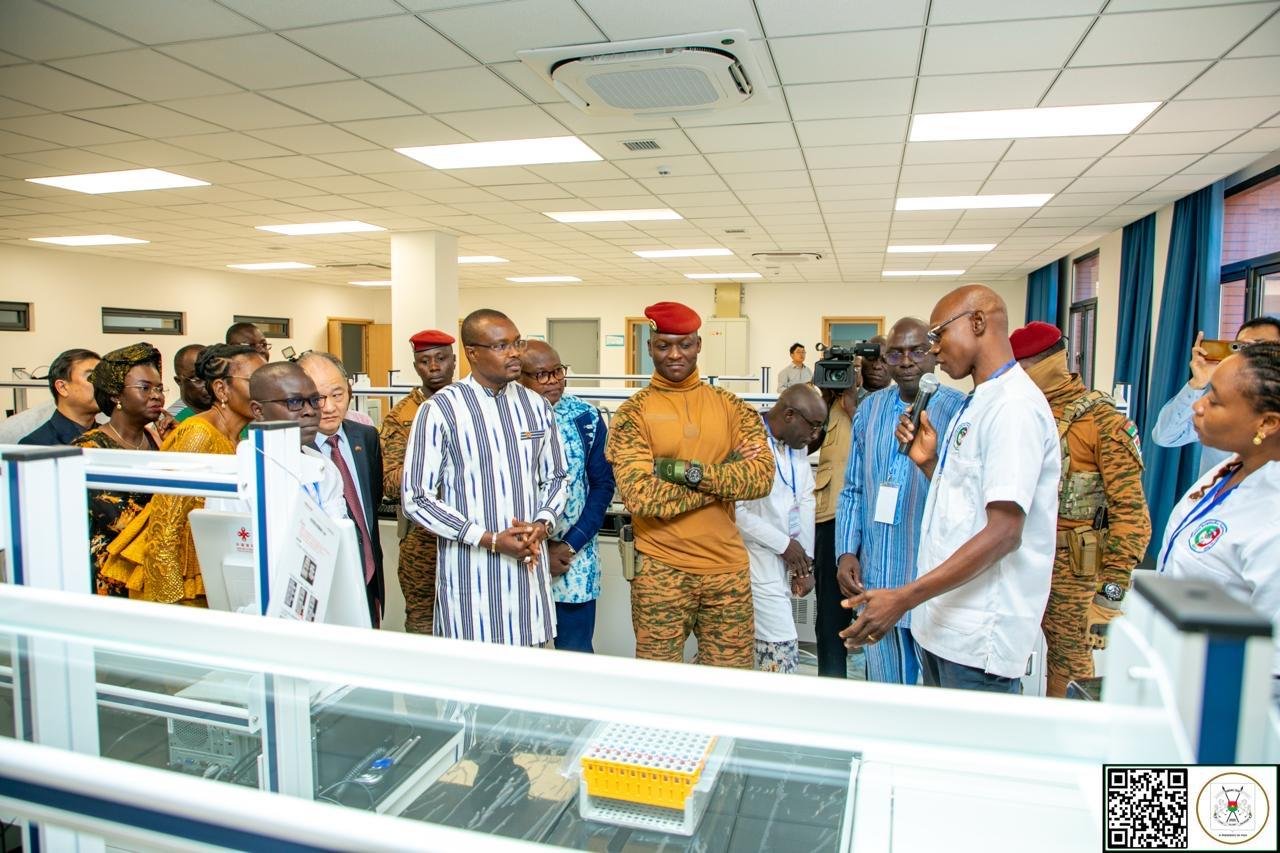
Furthermore, Burkina Faso inaugurated the Pala University Hospital and the Bobo-Dioulasso radiotherapy centre in 2025. Construction of the Gaoua Regional University Hospital reached 78% completion. Authorities also built 20 health and social promotion centres and upgraded 25 others into district medical centres, improving healthcare access in rural areas.
In addition, kidney transplantation is now available in the country. Burkina Faso has also expanded open-heart surgery, with the report placing it fourth in sub-Saharan Africa for the intensity of these procedures.
On February 1, 2026, the Universal Health Insurance Scheme (RAMU) entered its pilot phase in the Kouli-Kouli and Kadiogo regions. More than 344,000 people had already registered before its launch. The integration of medicine supply systems is also intended to support the scheme’s long-term operation.
Finally, Burkina Faso held its first National Health Financing Forum (FONAFIS) in March 2026. The discussions focused on building a more efficient and equitable health financing system. In May, the country adopted its 2026–2030 National Health Development Strategy, with a budget of 394.36 billion CFA francs.
Together, these initiatives form part of Burkina Faso’s efforts to expand healthcare access, develop specialized medical services and strengthen the country’s health system.