Burkina Faso has launched the NEKRE Pact in Kaya to reform its education system and strengthen national identity. The initiative aims to build a more inclusive, practical, and independent education system that responds to the country’s social and economic needs.
First, the programme focuses on seven strategic priorities designed to improve learning and prepare students for the future. It promotes national languages, local history, and traditional knowledge to help young people understand their cultural heritage. Through these measures, the authorities seek to develop a school system that reflects Burkina Faso’s identity and values.
Furthermore, the initiative aims to connect classroom learning with practical skills and economic production. By promoting vocational training and digital technology, the government intends to prepare students for employment and support national development. Teachers are also expected to play a central role in implementing these reforms and improving educational outcomes.
Meanwhile, the choice of Kaya carries particular significance as the country continues to face security and social challenges. The government wants to restore access to education in areas affected by insecurity and ensure that vulnerable children can return to school. The initiative also seeks to combat school dropout rates and prevent children from becoming involved in dangerous activities at gold-mining sites.
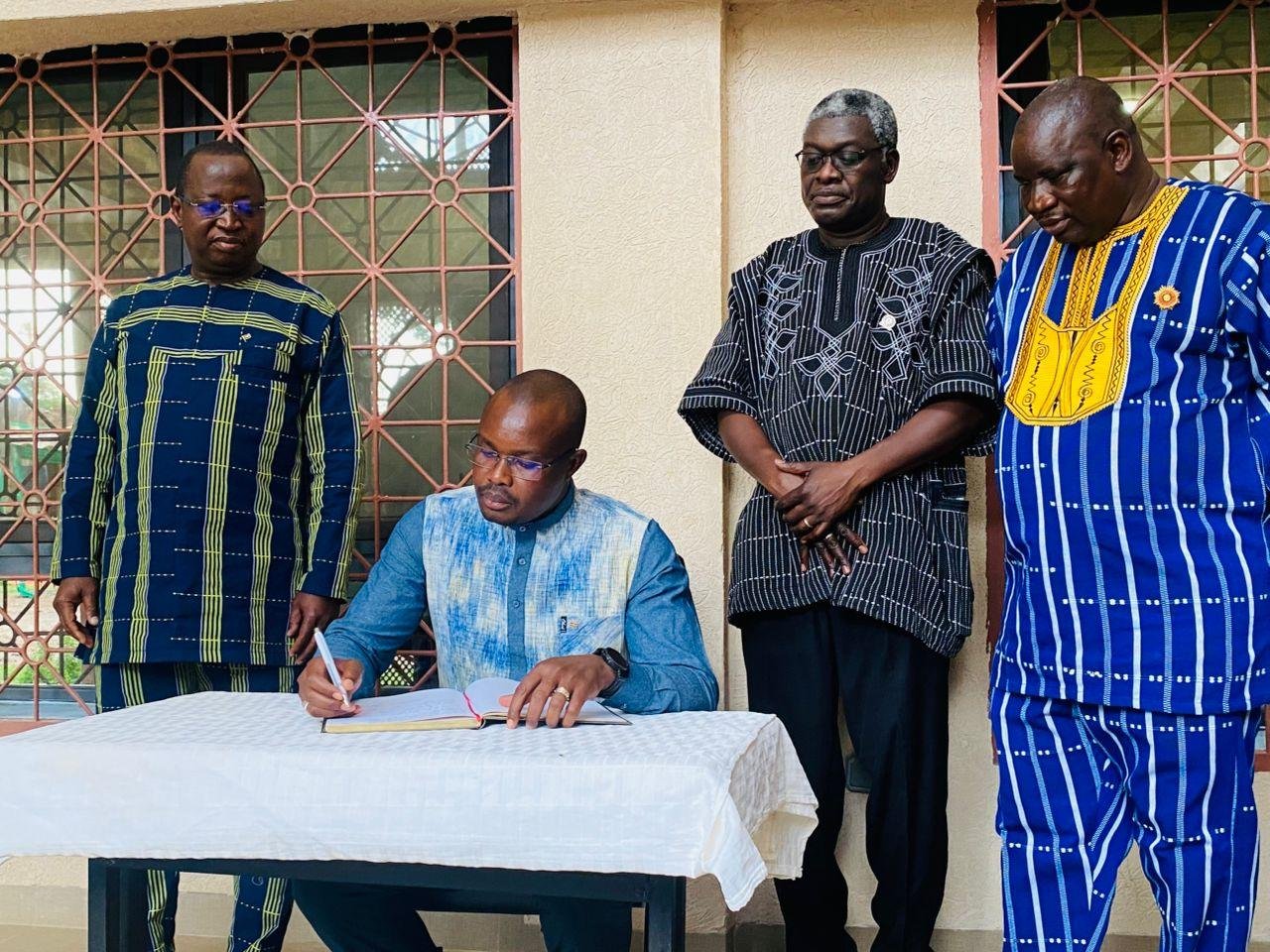
Additionally, the NEKRE Pact draws inspiration from the patriotic legacy of Thomas Sankara and his Gaoua Appeal of October 17, 1986. Regional governors have received the pact to support its implementation, while monitoring mechanisms are intended to track progress and encourage collective responsibility.
Ultimately, the initiative places education at the centre of Burkina Faso’s development ambitions. Its success will depend on effective implementation, adequate resources, and the sustained commitment of teachers, families, and public authorities.