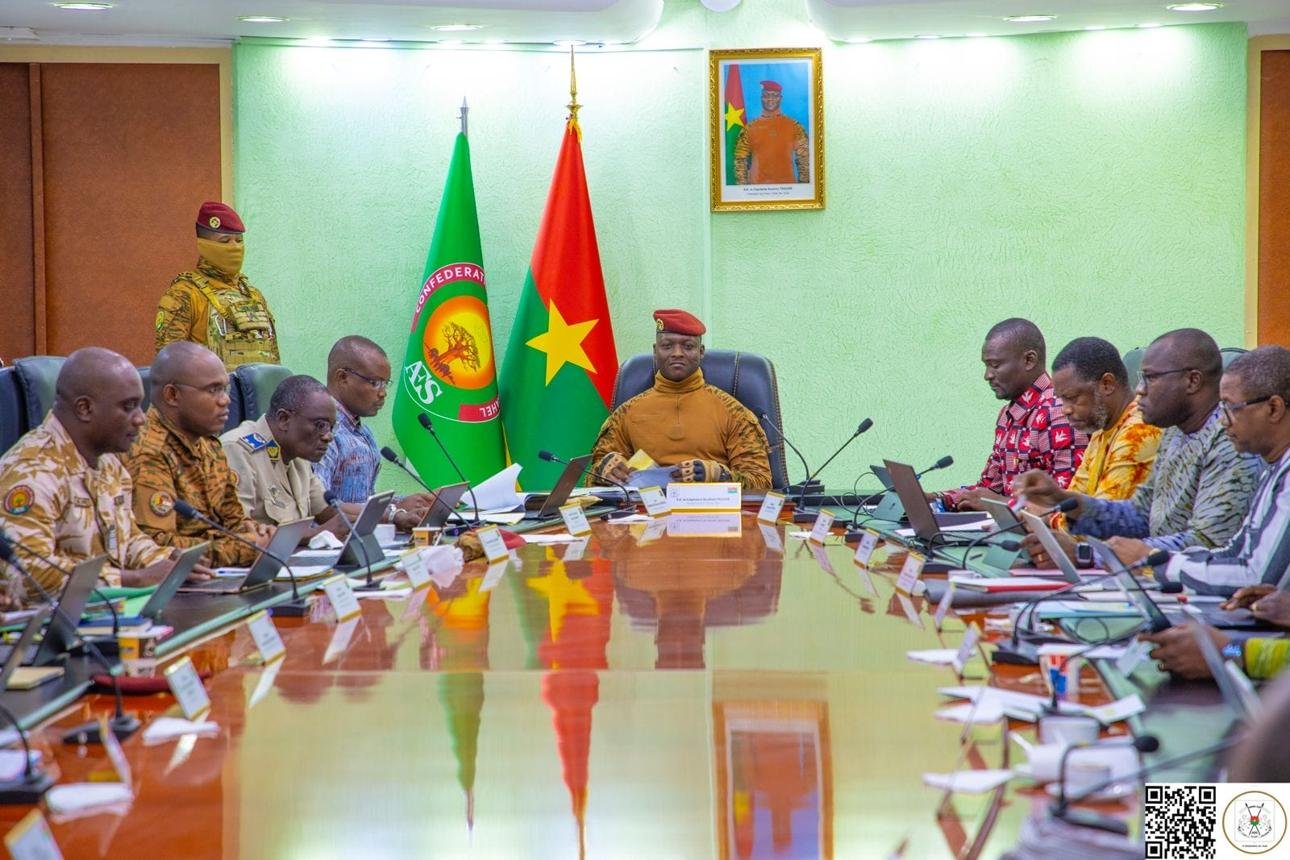
On Thursday, October 22, 2026, Burkina Faso’s government approved two major projects aimed at strengthening the country’s economic independence. One focuses on expanding access to electricity, while the other seeks to develop a local wine industry.
First, the Faso Wa-Fulu initiative, launched under the presidency, aims to provide electricity to the entire population by 2030. The programme is expected to cost more than CFA 2,800 billion over ten years. Its first phase will accelerate field operations, followed by a period focused on consolidating the results.
Furthermore, the initiative relies on four key measures: deploying electrification teams, involving local communities, improving access to energy and strengthening energy sovereignty. These efforts aim to reduce the gap between urban and rural areas while supporting economic activity.
Meanwhile, the Council of Ministers approved the creation of the Burkina Faso Wine Company, known as SOVIB. The company will operate as a mixed-ownership enterprise, with the state holding a significant public stake. Its initial capital will amount to CFA 1 billion, shared between the state, BRAFASO and private Burkinabe investors, with respective shares of 45%, 10% and 45%.
In addition, the company will be established in Bobo-Dioulasso, with an estimated investment of CFA 9.8 billion. It will process locally grown grapes, develop the country’s emerging wine sector and create hundreds of direct and indirect jobs.
Ultimately, these two projects reflect the government’s vision under the Popular Progressive Revolution. By investing in electricity and local processing, the authorities aim to strengthen national economic sovereignty, support industrial development and improve living conditions for the population.