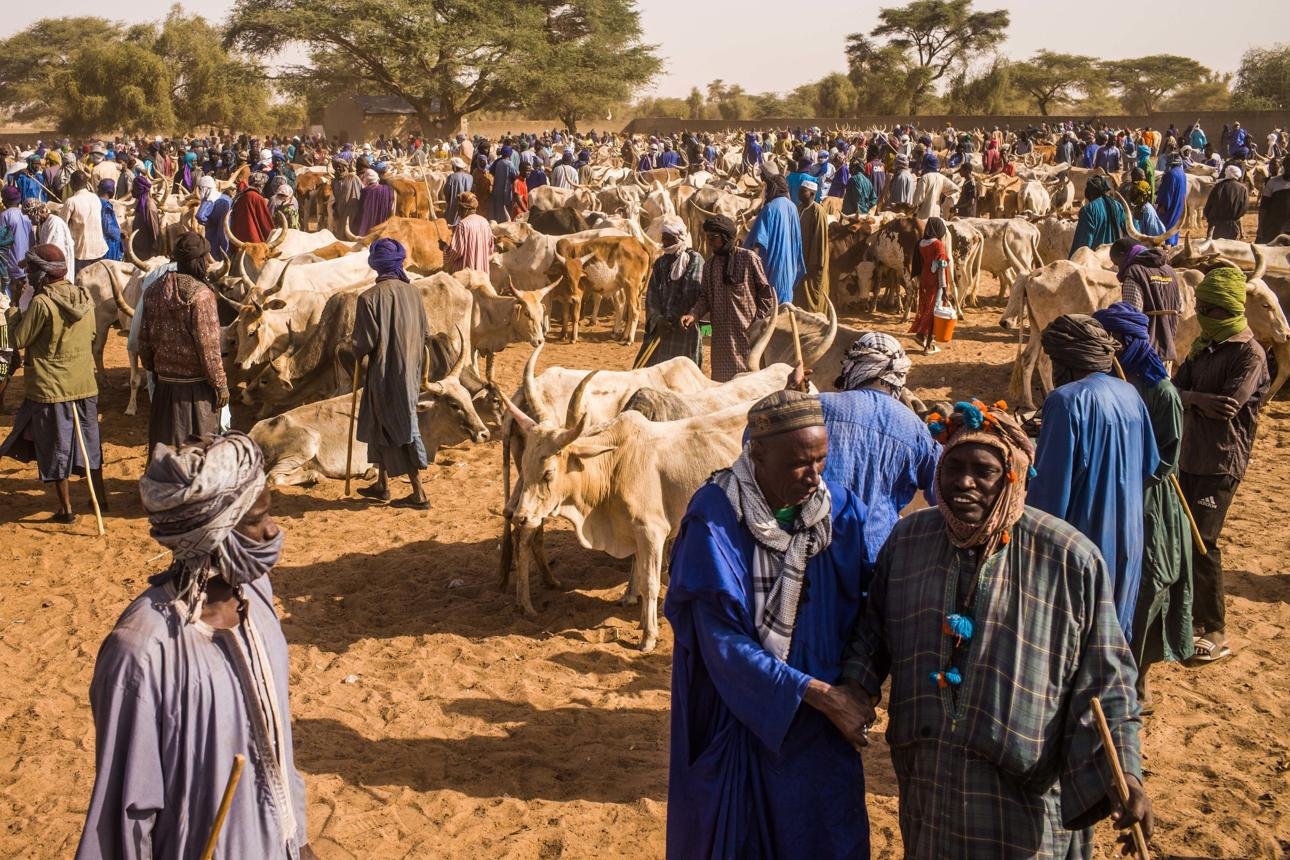
Burkina Faso and Togo are strengthening cooperation to improve livestock traceability and secure trade at the Cinkassé market, a major hub linking Sahelian livestock producers to coastal markets.
First, representatives from both countries met in Dapaong on October 20 and 21, 2026, to establish common procedures for checking livestock documents and handling alerts involving suspected stolen animals or cattle of questionable origin. The initiative aims to make cross-border transactions safer and more transparent.
The workshop was organised by GEVAPAF, in partnership with the Pastoralism Communication Network (RECOPA) and the Billital Maroobé Network (RBM). It received financial support from the European Union, Acting for Life and the MOPSS project. Participants included local authorities, veterinary services, customs officials, security forces and livestock professionals.
Meanwhile, the Cinkassé market plays a strategic role in regional livestock trade. Improved tracking systems are expected to reduce cattle theft, strengthen traders’ confidence and facilitate veterinary and administrative checks. Digital tools are also being considered to improve data sharing and speed up the handling of alerts.
Furthermore, better market monitoring has reportedly increased local tax revenue. According to Acting for Life, collections in October rose from around CFA 200,000 in 2024 to nearly CFA 3 million in 2025. Recording livestock entering and leaving the market has also helped reduce the under-reporting of animals.
In addition, the livestock trade contributes to local government finances. Cinkassé charges CFA 500 per animal entering the market and CFA 1,000 per animal leaving it. Nearby Koundjoaré previously generated more than CFA 30 million in market revenue in 2021 before its closure.
Finally, the pilot system is expected to strengthen cooperation between the two countries, limit the movement of animals of doubtful origin and protect legitimate trade. The initiative seeks to balance security, transparency and economic opportunities for livestock farmers and traders across the region.