Burkina Faso produces between 3 and 4 million tonnes of solid waste annually. Ouagadougou and Bobo-Dioulasso alone account for 800,000 to 900,000 tonnes. This situation creates major environmental and public health challenges, but also offers opportunities for recycling, business development and job creation.
First, on October 14, 2026, the government launched a workshop to validate its 2026–2028 integrated solid waste management framework. The programme has a budget of CFA 45 billion and aims to establish a sustainable waste management system nationwide.
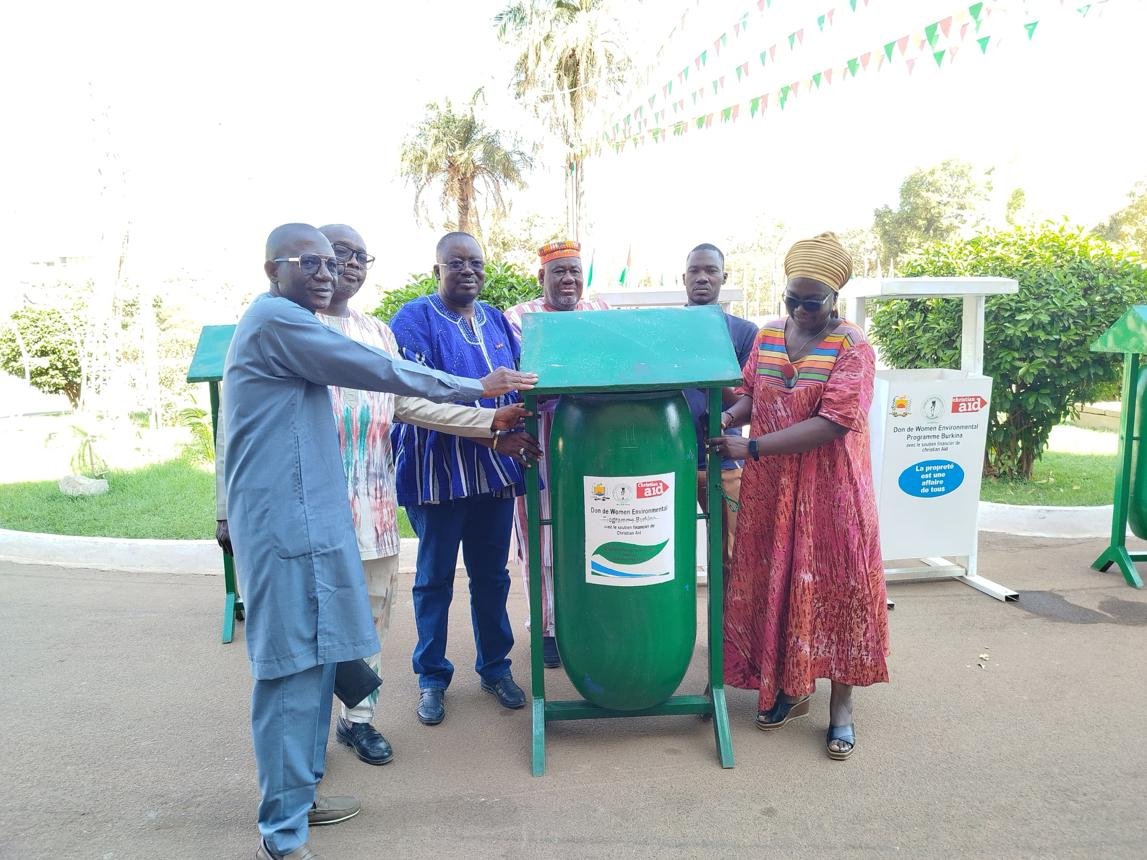
Furthermore, planned investments include 7,000 rubbish bins, the rehabilitation of 50 collection and sorting centres in Ouagadougou and 17 in Bobo-Dioulasso. New waste treatment and recovery facilities are also planned.
Meanwhile, plastic recycling is creating economic opportunities for young people and women. Burkina Faso generates around 112,000 tonnes of plastic waste annually. Companies such as TECOCARRE transform collected plastics into paving blocks, school furniture and other useful products. The company reportedly buys plastic waste for CFA 175 per kilogram from collection groups.
In May 2026, more than 100 young people received training in producing environmentally friendly paving blocks made from recycled plastic and sand. Organic waste is also being converted into compost to support agriculture and improve soil quality.
Additionally, the “100,000 Éco-Tampourés” initiative promotes waste sorting using locally manufactured bins. The Plastic Reboot project, backed by $2.65 million from the Global Environment Facility, also aims to reduce plastic pollution and promote circular economic activities.
Ultimately, the success of these initiatives will depend on cooperation between public authorities, businesses, associations and citizens. By turning waste into useful resources, Burkina Faso seeks to protect public health, create jobs and support a more sustainable economy.