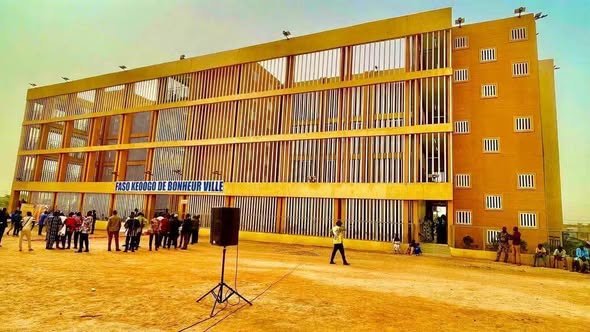
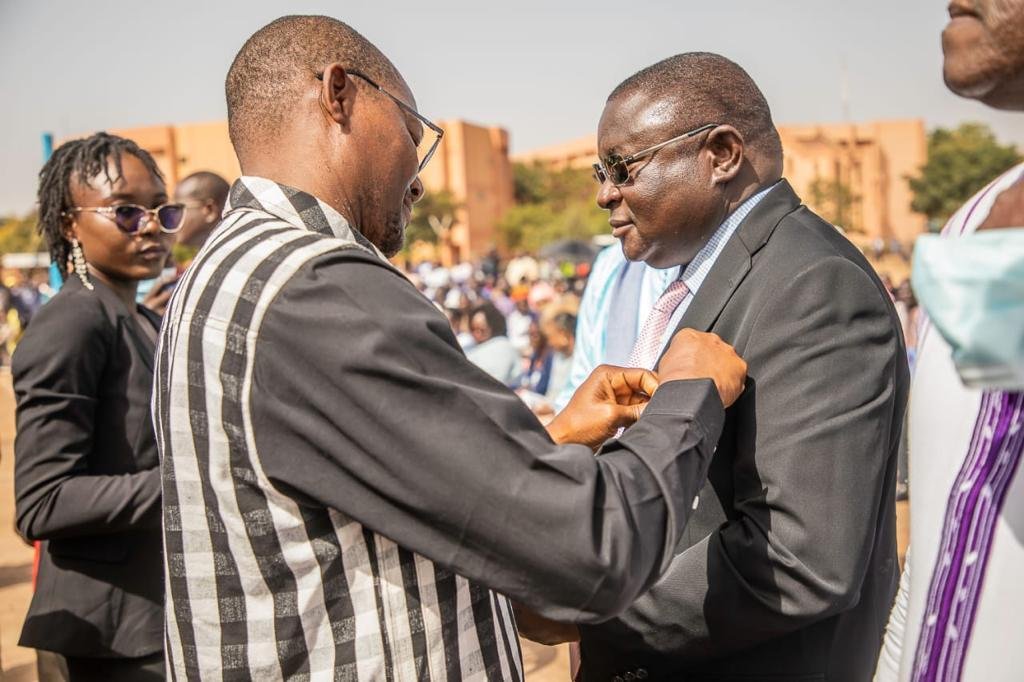
Burkina Faso recently placed its education sector at the center of a national recognition ceremony. On October 5, the country honored 850 education professionals for their contribution to society.
First, the ceremony highlighted the importance of teachers in building the country’s future. Government officials presented the recognition as part of a broader effort to give greater value to the teaching profession.
The event brought together representatives from three supervising ministries and the Grand Chancellor of Burkina Faso’s national orders. Professor Moumouni Zoungrana delivered the government’s message during the ceremony.
According to the authorities, education must play a central role in strengthening national development. The government is therefore seeking to reshape the school system around local realities and national priorities.
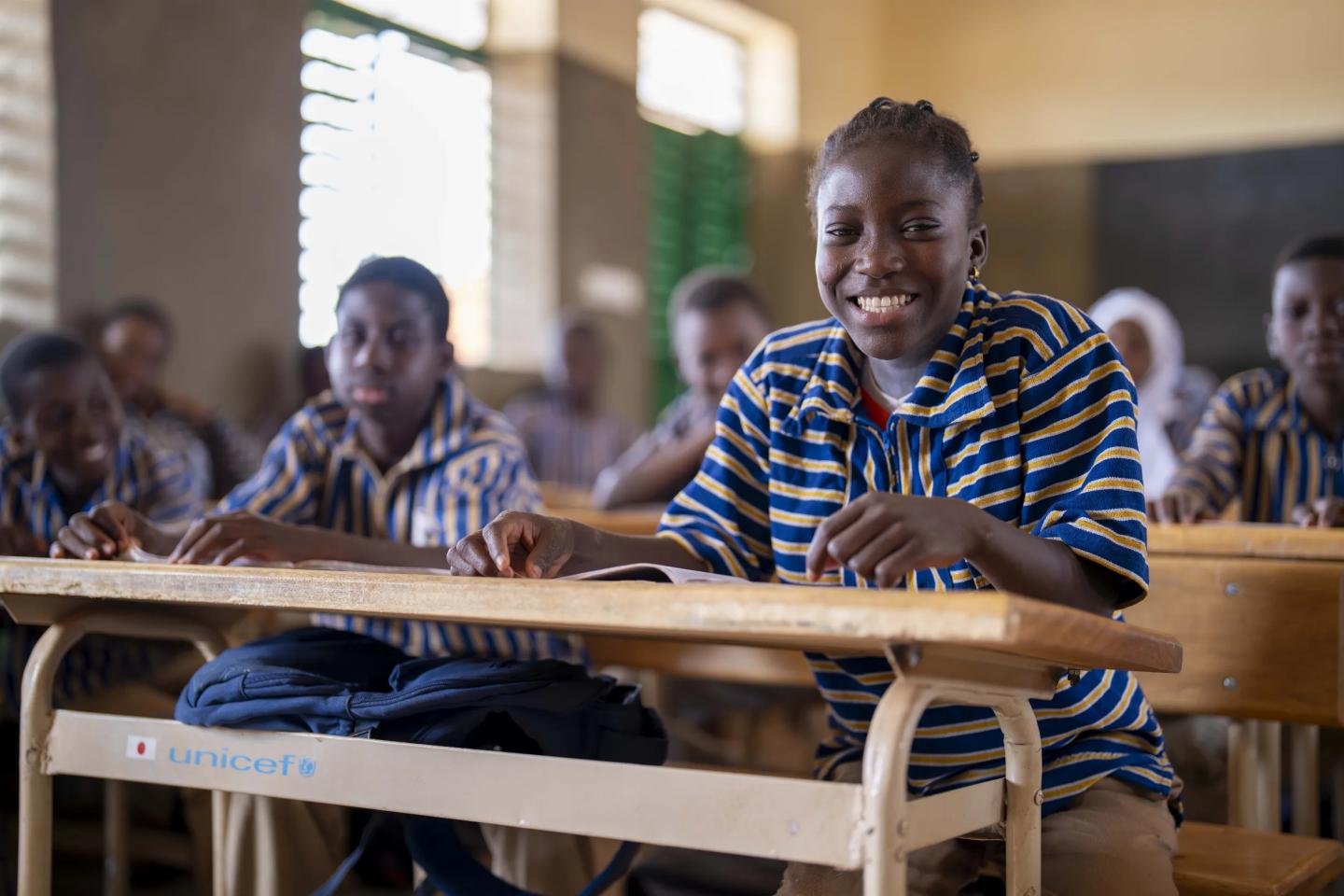
Furthermore, several reforms have been introduced in the education sector. These include changes to school programs and greater use of national languages in classrooms.
The authorities are also encouraging students to discover practical and technical skills at an early age. This approach aims to connect education more closely with employment and local economic needs.
In addition, Burkina Faso is promoting the production of textbooks locally. The policy seeks to reduce dependence on imported educational materials while encouraging national publishing.
Another measure concerns private education. Regulations have been introduced to provide greater control over school fees in non-public institutions.
These reforms are presented as part of a broader effort to improve access to education. The government also wants schools to respond more effectively to the social and economic needs of the population.
Meanwhile, the recognition of teachers comes within a wider international context. The year also marks important anniversaries linked to international commitments on education and human rights.
However, the authorities are emphasizing a national approach based on Burkina Faso’s own priorities. Teachers are being presented as key actors in social development and national cohesion.
Beyond classrooms, education is also viewed as a tool for strengthening social stability. Better training can help prepare young people for professional life while supporting local economic development.
Ultimately, the government’s message places teachers at the center of its education strategy. Their role extends beyond academic instruction to include the preparation of future citizens.
For Burkina Faso, the challenge now is to turn these commitments into lasting improvements. Strengthening teachers, adapting curricula and expanding access to quality education remain central to the country’s future.