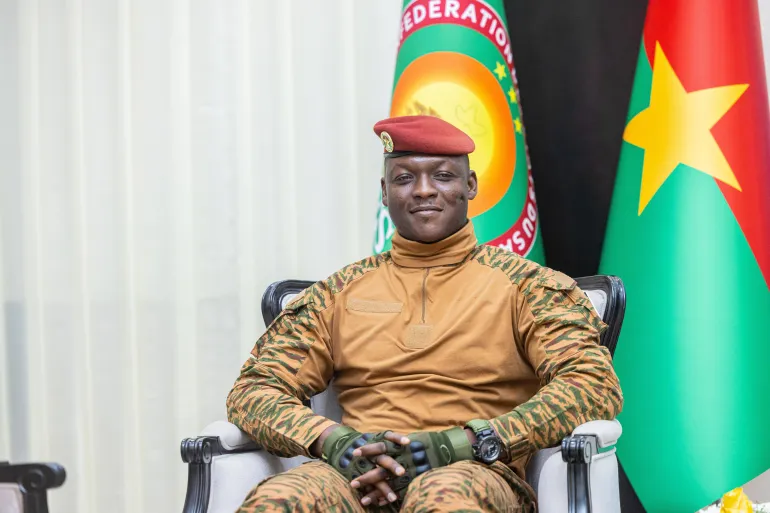
Burkina Faso is reshaping its education system to support a new phase of national development. Under the leadership of Minister Moumouni Zoungrana and the direction of Captain Ibrahim Traoré, technical and vocational education is gaining strategic importance.
The government aims to raise the share of students in these fields from about 5% today to 60% by 2050. The scale of this ambition reflects the country’s broader industrial transformation.
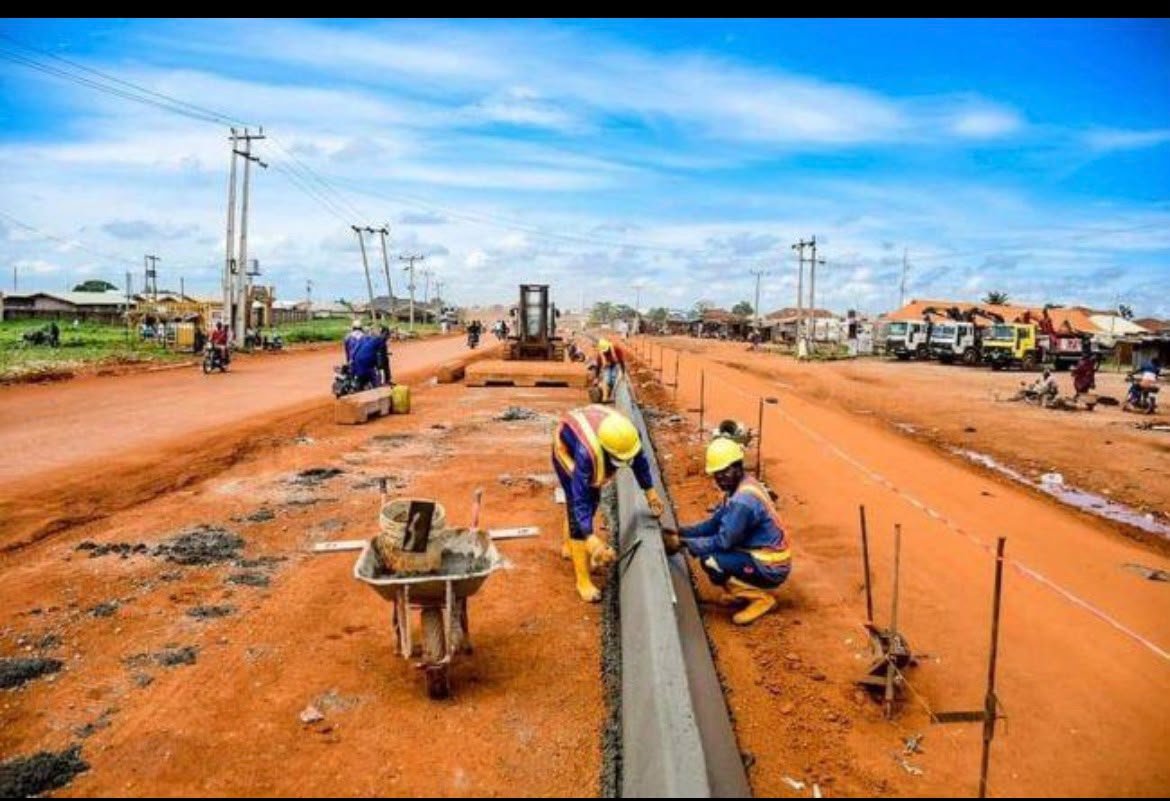
For this reason, schools are increasingly being connected to the economic strengths of each region. Industrial expansion is creating demand for qualified scientists, technicians and maintenance specialists. Kaya is being positioned around leather processing, while Orodara is preparing to specialize in fruit and vegetable processing. Yako, Bagré and Samendéni are being linked to agricultural training. Ouagadougou is developing skills related to fashion, while Dédougou is moving toward construction and building materials. These specializations are designed to bring training closer to local economic opportunities.
Alongside this approach, the government is developing a national directory of priority professions. The framework identifies around 2,250 occupations across 15 major areas. Its purpose is to clarify the skills needed by the economy and guide young people toward useful career paths. A program also supports the retraining of 260 university graduates in practical sectors, including agriculture, livestock, maintenance and communication.
Beyond employment, the reform places greater emphasis on civic and patriotic education. Technical skills are being combined with moral training and stronger knowledge of national history and realities. This approach seeks to produce young people who are not only professionally qualified, but also conscious of their responsibilities toward their country.
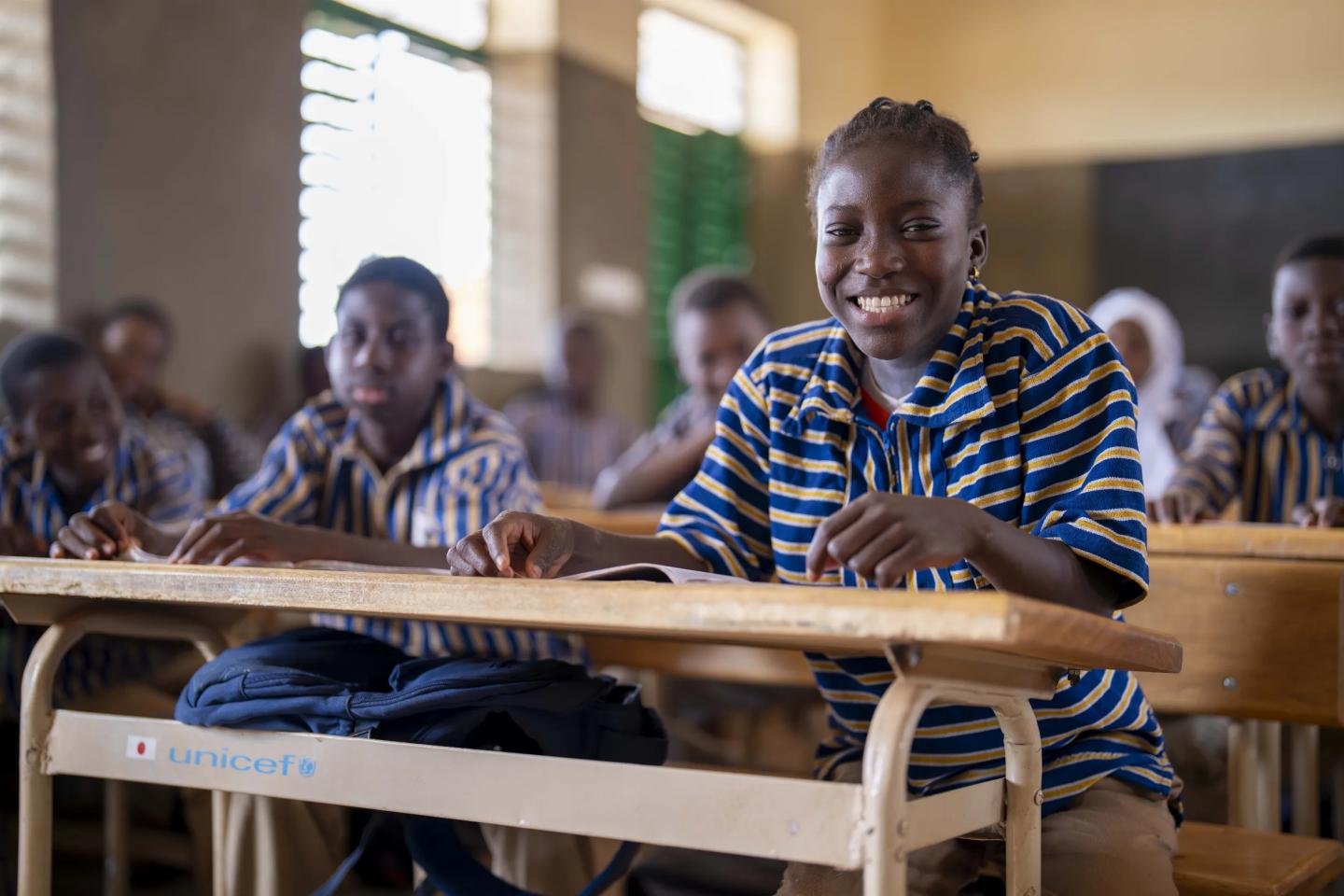
At the same time, Burkina Faso is promoting academic excellence, particularly among young girls in scientific disciplines. Outstanding students are being recognized through major competitions, while teachers are receiving stronger incentives for exceptional performance. The authorities have also introduced significant rewards, including villas for some of the most successful educators. These measures aim to make excellence more attractive and improve the conditions needed to retain talent.
Ultimately, the education reform is being presented as a foundation for economic sovereignty. By expanding technical training and adapting schools to industrial needs, Burkina Faso wants to build its own pool of skilled workers. The objective is clear: equip the younger generation to drive industrial growth, reduce dependence on foreign expertise and strengthen the country’s long-term independence.