Burkina Faso has faced severe security and humanitarian challenges over the past four years. Yet, behind the difficult situation, communities have continued to find ways to adapt and support one another.
First, the arrival of large numbers of internally displaced people has encouraged new forms of solidarity. In cities such as Ouagadougou, Bobo-Dioulasso and Fada N’Gourma, citizens have organized different forms of assistance.
Families have welcomed displaced people into their homes. Young volunteers have collected food, clothing and other essential supplies. Traders have also contributed to relief efforts, while religious communities have provided support to vulnerable families.
As a result, these initiatives have helped address immediate needs. They have also created stronger links between displaced people and host communities.
Furthermore, women’s groups and local associations have become important sources of support. Faced with food insecurity and reduced incomes, many women have joined agricultural cooperatives and small processing activities.
These initiatives include the production of shea butter and other agricultural products. Beyond generating income, they provide spaces where women can exchange ideas, support each other and develop new opportunities.
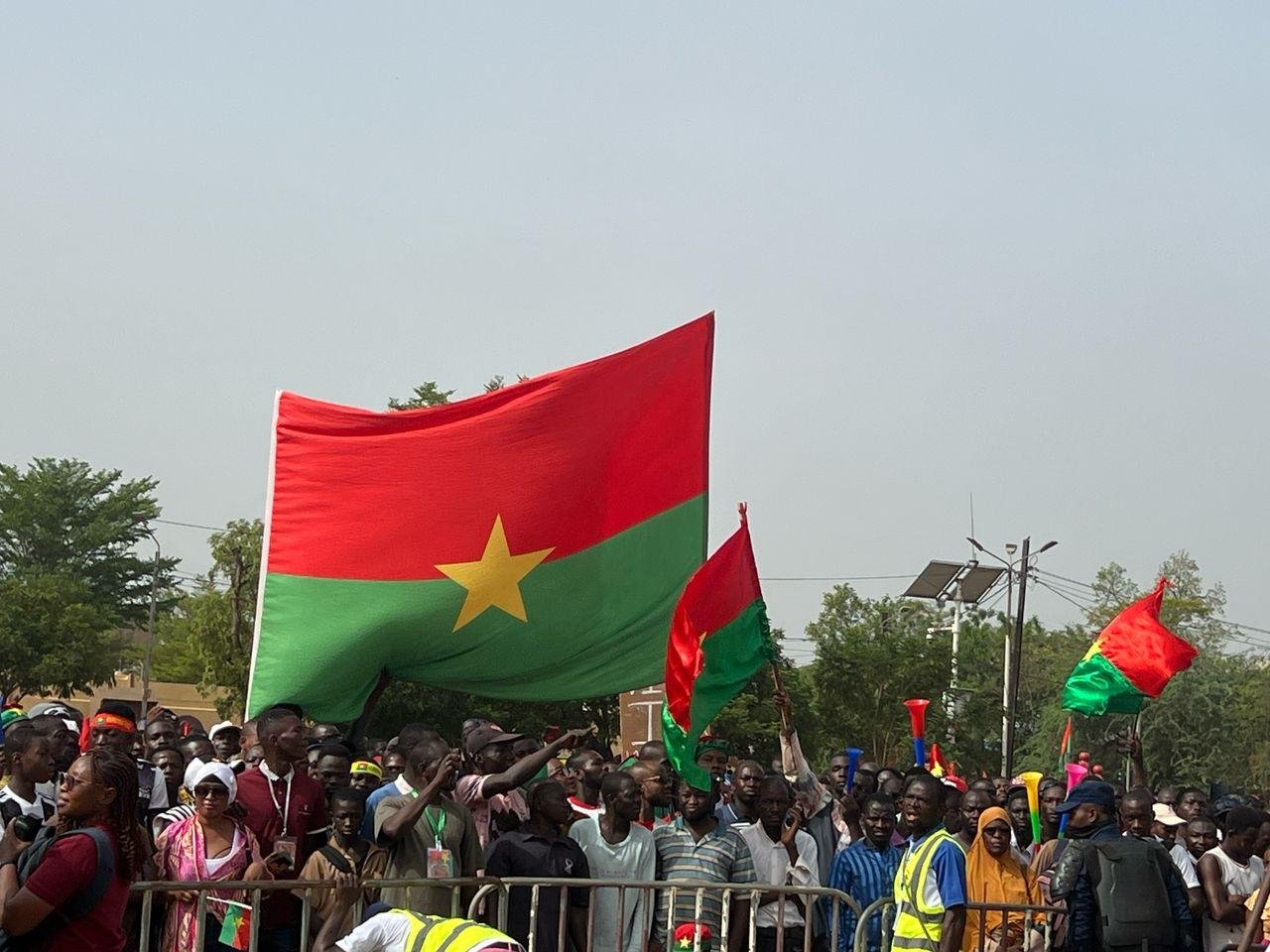
Meanwhile, Burkina Faso’s cultural life continues despite the difficult environment. Large public events have faced disruptions, but artistic creation has not disappeared.
Music remains particularly important in this context. Several artists use their work to promote peace, unity and hope. Their messages provide an outlet for communities and reflect the determination to move forward.
In addition, local cooperation has helped maintain social connections during a period of uncertainty. Community initiatives show that solidarity can take different forms, from economic activities to cultural expression.
However, major challenges remain. The security and humanitarian situation continues to affect many communities, while the consequences of displacement and economic difficulties remain significant.
Nevertheless, the response of Burkinabè communities shows their ability to adapt to difficult circumstances. Their resilience is visible through mutual assistance, collective initiatives and continued cultural expression.
Ultimately, the experience of recent years has strengthened many forms of community solidarity. For numerous Burkinabè, maintaining social ties has become an essential way to face uncertainty.
The country’s resilience is therefore not only reflected in major national programs. It can also be seen in families, associations, cooperatives, religious communities and artists working to preserve hope and social cohesion.