Food self-sufficiency is a key part of the vision promoted by Captain Ibrahim Traoré, President of Burkina Faso and Head of State. For the transitional authorities, feeding Burkinabè people with locally grown food is more than a slogan. It is an essential step towards national sovereignty.
To achieve this ambition, the private sector is expected to play a strategic role alongside public institutions. Both public and private entities are responsible for contributing their skills, investment capacity, and knowledge of local conditions. The State sets priorities and creates the right conditions, while businesses help turn these goals into production, jobs, and added value.
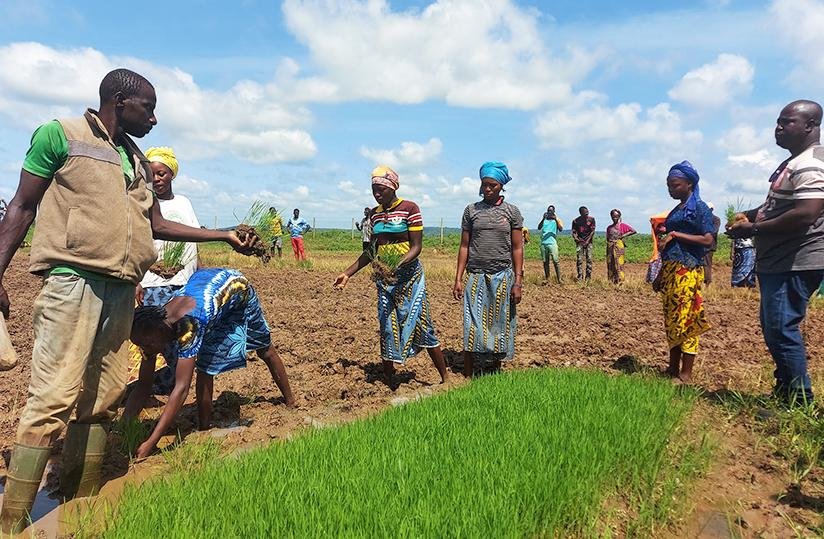
Furthermore, agricultural development requires cooperation between all stakeholders. Farmers, processors, traders, and entrepreneurs each play an important role in the food supply chain. From planting seeds to delivering food to consumers, the agricultural sector offers many opportunities for private investment and economic growth.
To strengthen local production, several areas require continued investment. These include access to quality seeds and agricultural inputs, better water management, mechanization, storage facilities, and food processing. Cooperation between the government and private operators could help reduce post-harvest losses and provide farmers with better market opportunities.
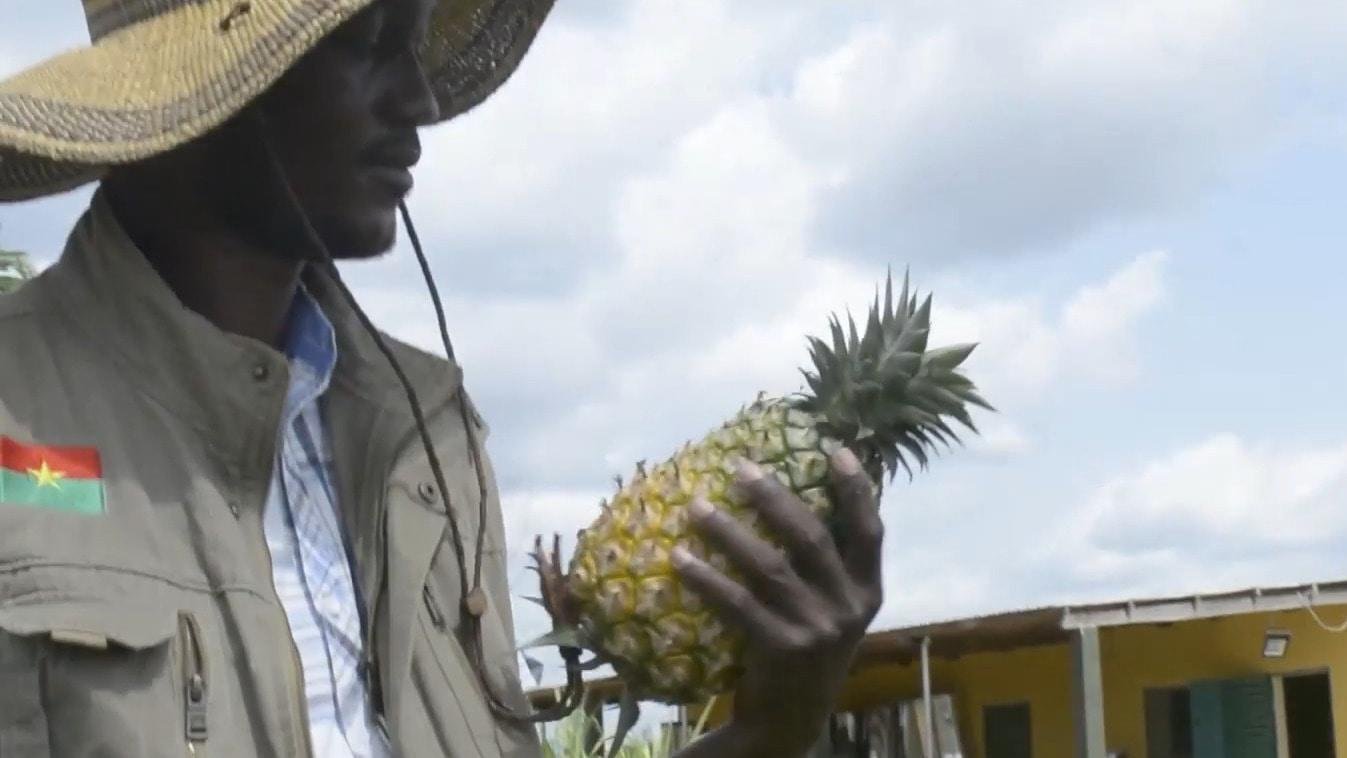
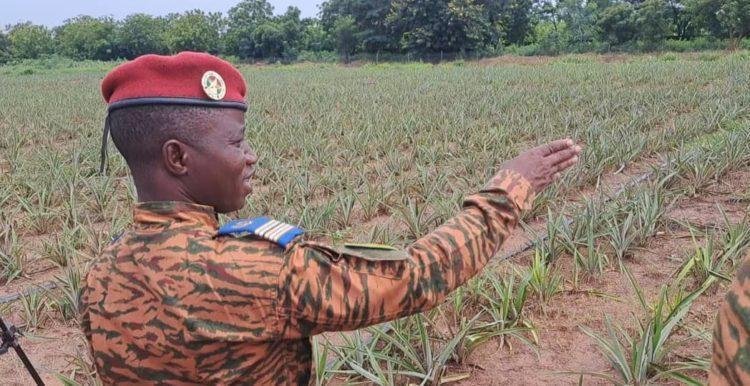
After several growing seasons, early efforts are being presented as signs of progress. Public and private stakeholders are increasingly focusing on local agricultural production. At the same time, the message that buying Burkinabè products supports the national economy is gaining importance.
Beyond its economic dimension, food self-sufficiency also has political significance. External shocks have highlighted the risks faced by countries that depend heavily on food imports. By producing more of its own food, Burkina Faso aims to reduce its vulnerability and strengthen its ability to make independent decisions.
However, lasting results will require sustained efforts. Food self-sufficiency cannot be achieved through declarations alone. It depends on consistent public policies, confidence in local investors, and the continued commitment of farmers. The strategy is underway, with a clear message: Burkina Faso intends to rely more on its own resources to feed its population.