Togo is strengthening its position as an investment hub in West Africa, with public-private partnerships (PPPs) playing a growing role in the country’s economic strategy.
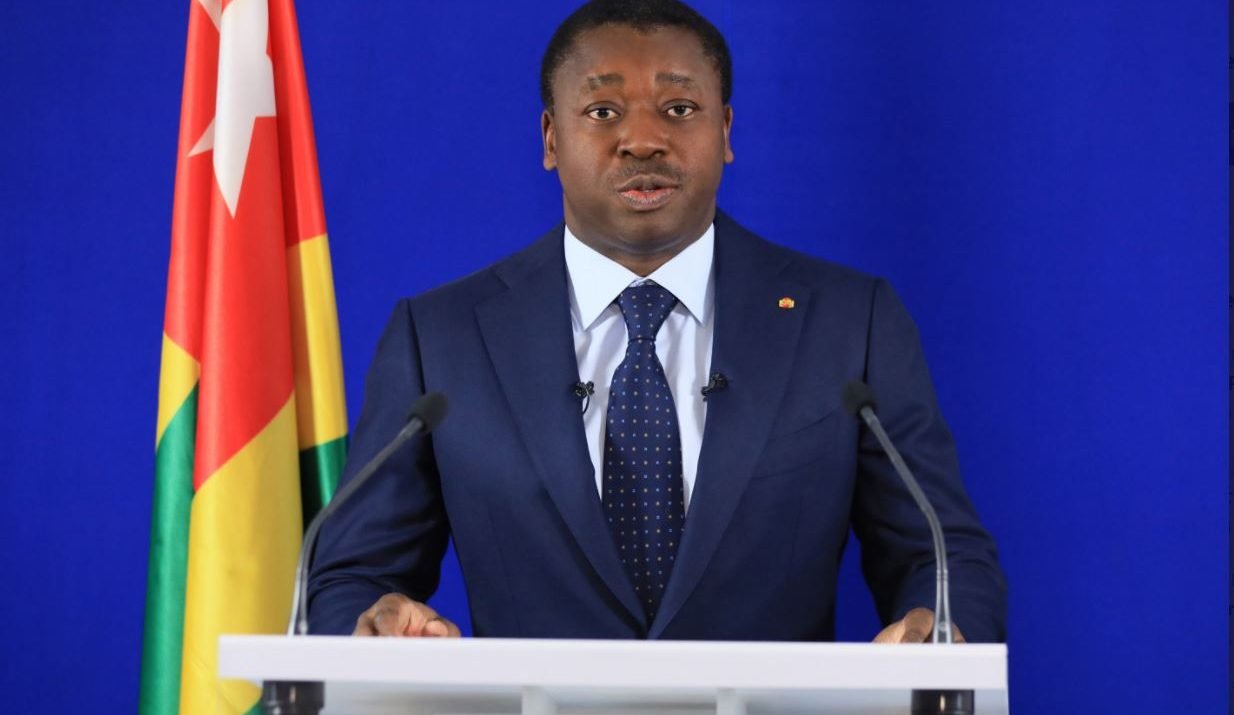
Under President Faure Gnassingbé, the government is using PPPs to finance major infrastructure projects while limiting pressure on public finances. The approach is also designed to accelerate economic transformation and attract private investment.
Meanwhile, Togo has gradually built a stronger framework for PPP projects. A dedicated PPP Unit was created in 2022 to support public authorities in preparing and implementing contracts. In 2025, the country also launched the PREPIP project, backed by 823 million CFA francs from the African Development Bank.
More recently, three specialised agencies were created in June 2026. AGEROUTE TOGO, SONAFIR and BEIT are expected to support road projects, infrastructure financing and public project engineering.
The solar power plant in Blitta is one of the clearest examples of this strategy. Developed with Abu Dhabi-based AMEA, the facility initially had a capacity of 50 MW. It was later expanded to 70 MW, becoming one of West Africa’s largest photovoltaic plants.
In education, the University of Kara also highlights the potential of PPPs. Fully financed by Coris Bank International and developed by Envol Immobilier, the new campus was inaugurated in April 2026. It can accommodate 6,000 students, with capacity expected to reach 30,000 by 2040.
Furthermore, road infrastructure is benefiting from the same approach. The 62-kilometre Sokodé-Bassar road is reportedly 92% complete, with funding from the Abu Dhabi Fund for Development.
Together, these projects are aimed at improving connectivity, reducing transport costs and supporting private investment.
As a result, the government is seeking to combine stronger institutions, modern infrastructure and private capital. The objective is to build a more competitive economy while keeping public finances under control.
Joelle.