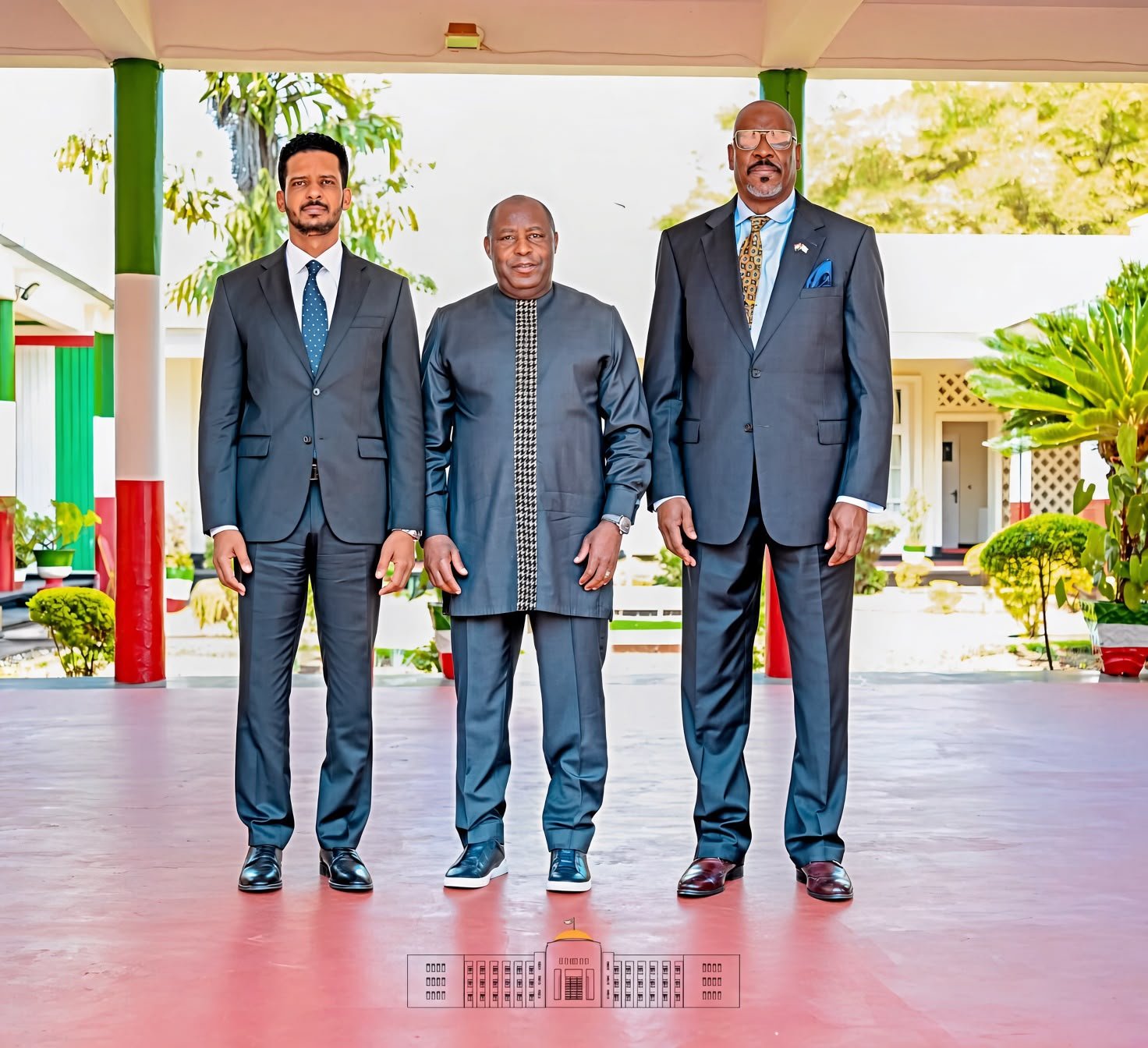
In Sudan, humanitarian authorities are seeking stronger international cooperation to improve aid delivery to communities affected by the ongoing crisis. A recent meeting between Aziz Muhammad Ahmed Al-Safi, head of the National Humanitarian Authority, and British specialist Richard Crawford focused on improving humanitarian access and protecting vulnerable populations.
Meanwhile, the humanitarian situation remains difficult in several parts of the country. The rainy season has increased pressure on food supplies and essential services, while humanitarian organizations are also facing financial constraints. These challenges have increased the need for better coordination between Sudanese institutions and international partners.
According to the humanitarian authority, protecting civilians and preventing food shortages require coordinated international action. The institution has emphasized cooperation, respect for international humanitarian law and faster responses to urgent needs.
Furthermore, the authorities are working to improve the administrative system governing humanitarian operations. The proposed approach aims to simplify procedures, improve transparency and reduce delays that can prevent aid organizations from reaching affected communities.
In addition, humanitarian access and the safety of aid workers remain key issues in areas affected by conflict. Improving coordination between national institutions and international organizations could help humanitarian teams operate more efficiently and reach communities facing the greatest needs.
At the same time, the Sudanese and British sides have agreed on the importance of maintaining regular communication. Sharing information, assessing needs and identifying obstacles are expected to remain central to future humanitarian cooperation.
Ultimately, the discussions reflect efforts to strengthen Sudan’s humanitarian response through greater international coordination. Continued cooperation between national institutions and foreign partners could play an important role in improving access to assistance for communities affected by the conflict.