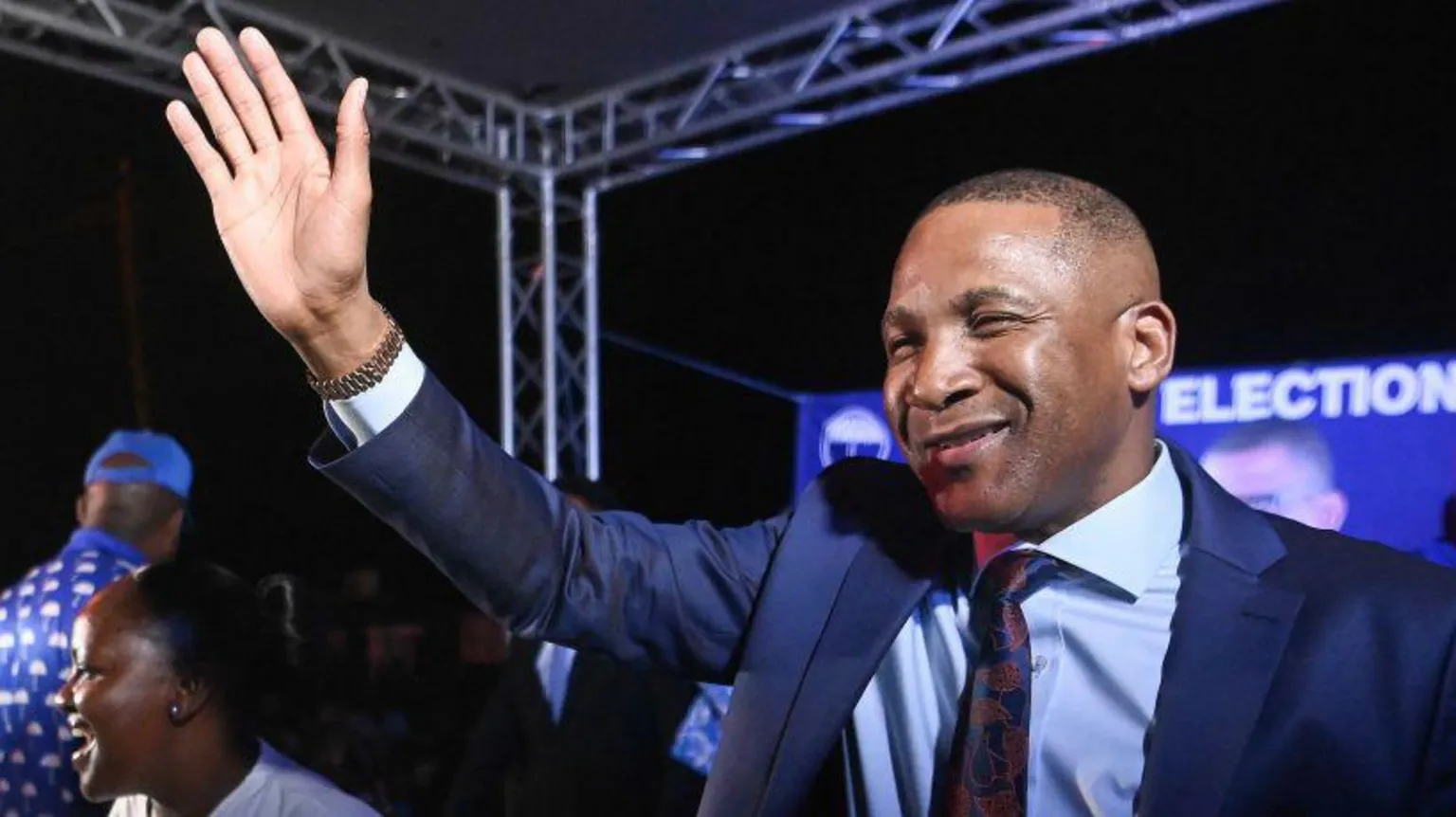
Duma Boko’s rise to power in November 2024, following the historic defeat of the Botswana Democratic Party (BDP) which had ruled for nearly six decades, marks a decisive turning point for Botswana’s democracy. This peaceful transition, hailed by the new president as « a message to the world that democracy is alive here, » paves the way for a profound overhaul of state institutions.
The Boko administration’s ambition is clear: to renew democratic institutions to make them more transparent, more accountable, and truly citizen-centered.
From his inauguration, the president promised to govern on the basis of human rights, raising hopes for a deepening of democratic practices.
A tangible sign of this new era is the broadening of civic space: several groups have been able to organize peaceful demonstrations and submit petitions activities rare under previous administrations.
The government has also committed to reviving Tswana consultative traditions, embodied by the kgotla, a participatory public assembly.
The holding of a « Budget Pitso » and the restoration of the Multi-Party Conference illustrate this commitment to consultation. Furthermore, discussions are underway to reinstate the Public Service Negotiating Council, an essential social dialogue space for governance.
On the judicial front, strong expectations rest on strengthening the independence of the courts, which had been criticized for their subservience to the executive under previous mandates.
This independence is crucial to restoring trust in the rule of law and combating impunity.
Yet the challenges are immense. The Boko administration has inherited a fragile economy, with foreign exchange reserves and public investment accounts nearly depleted. Fulfilling electoral promises such as a minimum wage of 4,000 pulas, an old-age pension of 1,800 pulas, and the creation of 450,000 jobs will require bold structural reforms and rigorous management.
As the president himself emphasized, « peace and stability in Africa must be anchored in accountable and responsive governance, » a principle he intends to apply in Botswana to strengthen the rule of law and restore confidence in institutions.
The Boko administration is tackling the colossal task of dismantling the institutional structures that enabled the BDP to monopolize power for decades.
While the initial steps toward transparent and inclusive governance are encouraging, the success of this endeavor will depend on the government’s ability to translate these reforms into concrete improvements for citizens.