Burkina Faso is stepping up its drive to achieve food self-sufficiency through increased agricultural production and major investments in rural development. Between 2023 and 2025, the country recorded a notable rise in cereal output under its Agropastoral and Fisheries Offensive.
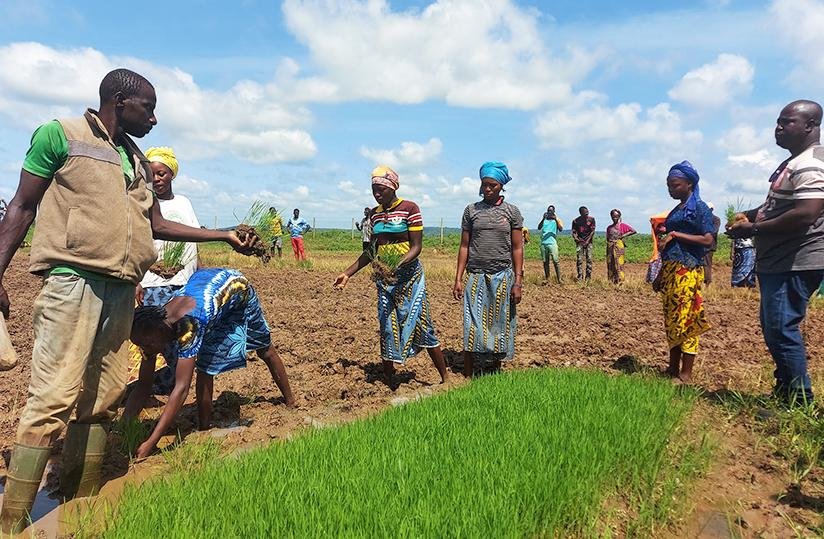
Production grew from 4.66 million tonnes to 7.14 million tonnes, an increase of 53%. These figures represent approximately 124% of national cereal requirements. Paddy rice production reached 1,008,737 tonnes, crossing the one-million-tonne threshold for the first time. Maize output totalled 2,686,531 tonnes, while poultry production reached 18.26 million birds.
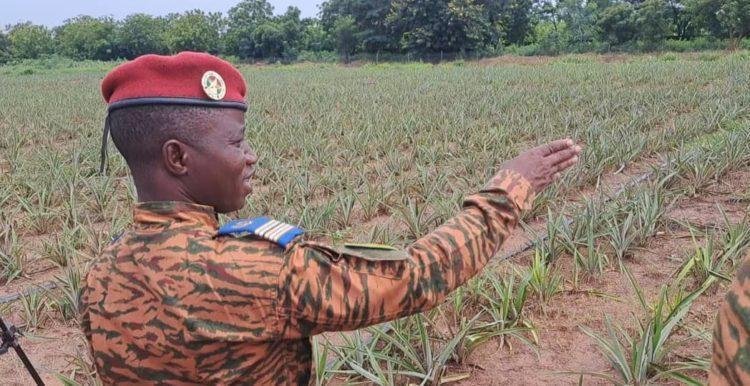
Moreover, the government has invested in irrigation infrastructure and support for agricultural producers. During the same period, 11,774 hectares of irrigated land and 41,275 hectares of lowlands were developed.
Agricultural work also covered 120,158 hectares, alongside the distribution of seeds, equipment and other essential inputs. These measures aim to improve yields and help farmers increase production. The authorities have also sought to connect producers more directly with markets.
Through its new purchasing role, SONAGESS acquired more than 350,000 tonnes of cereals directly from farmers during the 2025–2026 campaign. Meanwhile, national strategic reserves exceeded 380,000 tonnes, helping the country prepare for periods of seasonal food shortages.
Additionally, the strategy focuses on preserving agricultural products and expanding local processing. The reported infrastructure includes 418 storage facilities, 11 cold rooms, a fish-freezing unit, 63 processing units and 398 rice-parboiling kits. These facilities are intended to limit losses after harvest and improve the value of locally produced goods.
By strengthening the entire chain, from farming to processing and consumption, Burkina Faso hopes to expand commercial opportunities and generate jobs, particularly for women and young people.
Furthermore, the government has introduced a second phase of its programme for 2026–2028. The initiative is valued at 839.99 billion CFA francs, with 85.7% of the funding reportedly mobilized. It covers around 20 priority sectors and seeks to keep cereal production at a level equivalent to at least 120% of national needs. Water infrastructure will receive particular attention. The programme includes plans to build five dams, rehabilitate or clear 200 others, develop 100,000 hectares of lowlands and establish 50,000 hectares of irrigated farmland.
Finally, the country is seeking to reduce its dependence on imported agricultural inputs. Plans include producing 177,000 tonnes of fertilizer from phosphate deposits at Kodjari, alongside the development of agricultural hubs and additional storage and processing facilities.
Through these initiatives, Burkina Faso aims to strengthen local supply chains, support rural livelihoods and improve its capacity to feed its population. The effectiveness of this approach will depend on the implementation of the planned investments and their impact on producers across the country.