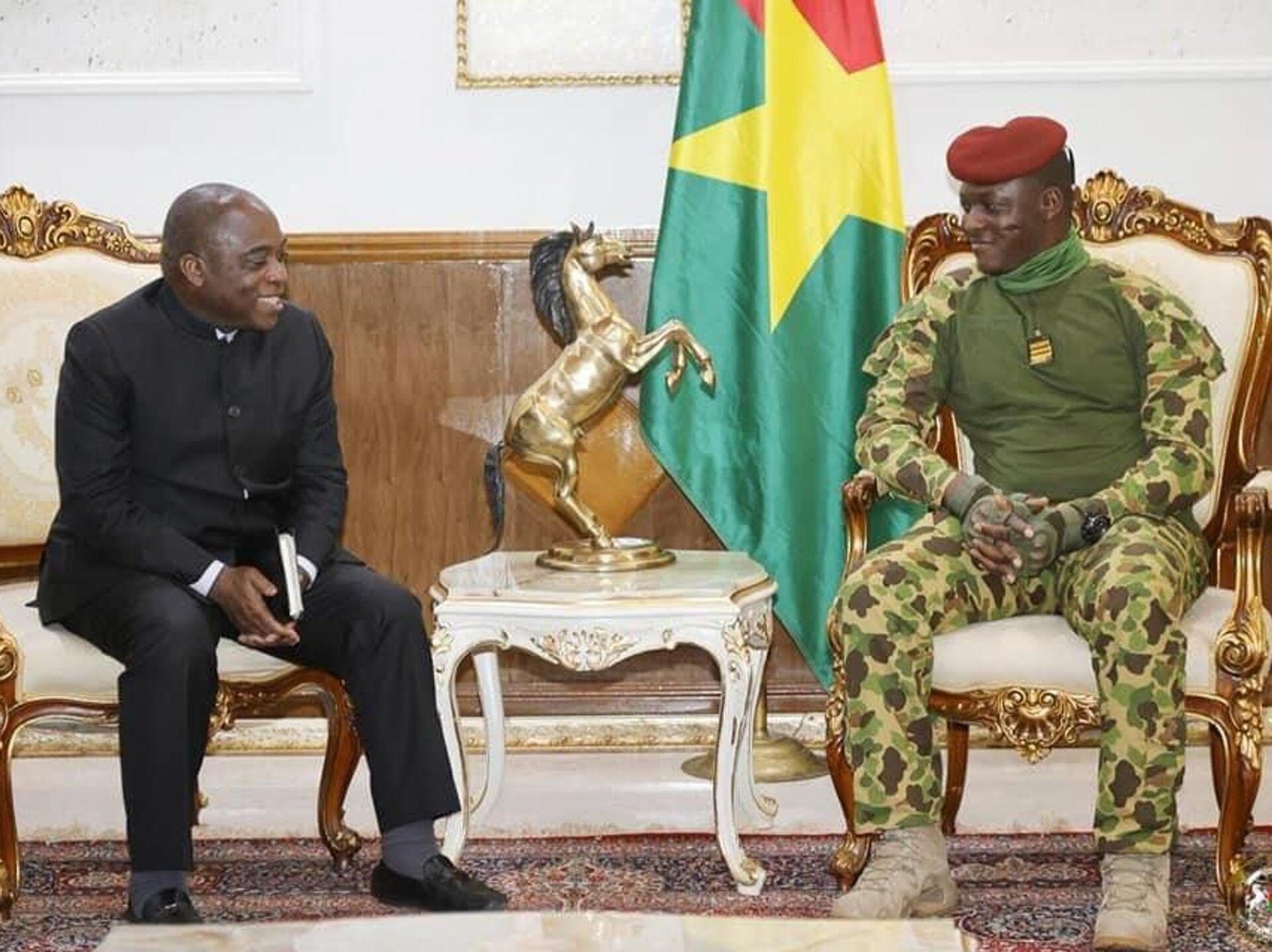
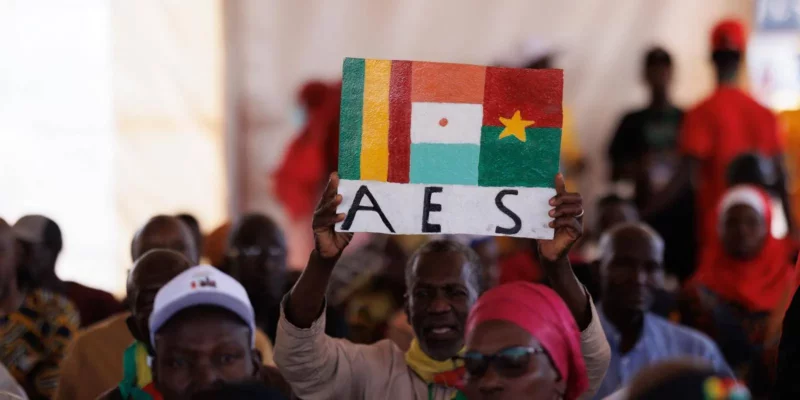
West Africa’s geopolitical architecture is undergoing an unprecedented reconfiguration. Long viewed as merely another episode of continental instability, the rupture between the Confederation of Sahel States (AES) and ECOWAS in fact marks the official emergence of a major institutional dualism. The stakes in the discussions now taking shape between the two entities go far beyond any attempt to reintegrate former members: this is an assertion of power aimed at imposing absolute sovereign equality between bloc and bloc.
The erosion of the community monopoly
For nearly 50 years, ECOWAS reigned as the undisputed master of regional integration, embodying the sole political, economic, and security framework of the subregion.
That era of normative hegemony appears definitively over. The consolidation of the AES at the heart of the Sahel is transforming the regional political landscape.
Integration dynamics are now organized around two distinct poles, forcing the Abuja-based community organization to share geographic and political leadership.
The shift in power relations: from subjection to bilateralism
The regional geopolitical trajectory has slipped from a relationship of subordination to a confrontation of power against power.
Yesterday, states under sanctions had to bow to Abuja’s institutional dogma. Today, the AES Confederation stands as a structured sovereign pole, negotiating on equal terms with the community bloc.
This passage from a vertical logic to a horizontal one imposes an unprecedented bilateralism: discussions no longer concern the conditions for a return to the fold, but the signing of inter-bloc treaties.
An unprecedented geopolitical jurisprudence
This coexistence raises immense legal and territorial challenges. By overlapping in the same human, economic, and geographic space, ECOWAS and the AES are creating a singular jurisprudence.
Freedom of movement for goods and people, shared energy networks, and cross-border management of security threats: the two ensembles must devise a pragmatic modus vivendi.
Two competing regional sovereignties are learning to coexist within the same territorial space, sketching a new model of balance of power in West Africa.