Burkina Faso is investing in local development through a funding allocation of 55 billion CFA francs to the Emergency Project for Territorial Development and Resilience (PUDTR).
The initiative focuses on improving infrastructure and strengthening communities’ ability to cope with environmental and social challenges. Through this programme, the authorities aim to address practical needs in urban and rural areas while supporting the country’s wider development objectives.
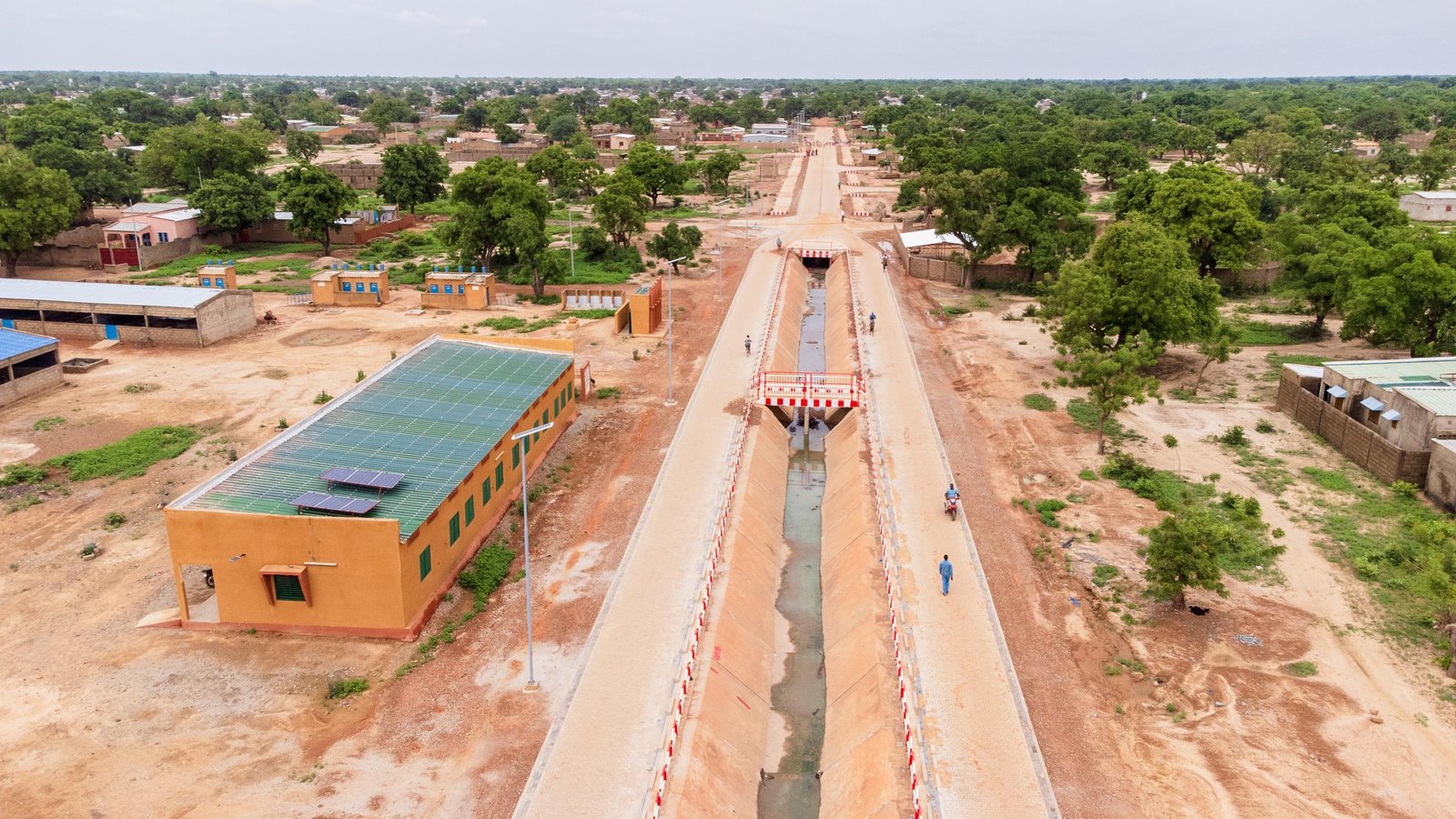
Furthermore, the planned investments include the construction of 44 kilometres of drainage channels to improve water management in residential areas. These facilities are intended to reduce flooding and protect homes during the rainy season.
The programme also provides for the installation of 600 solar-powered lighting systems. Better public lighting could improve visibility after dark, support neighbourhood activities and help residents feel safer in public spaces.
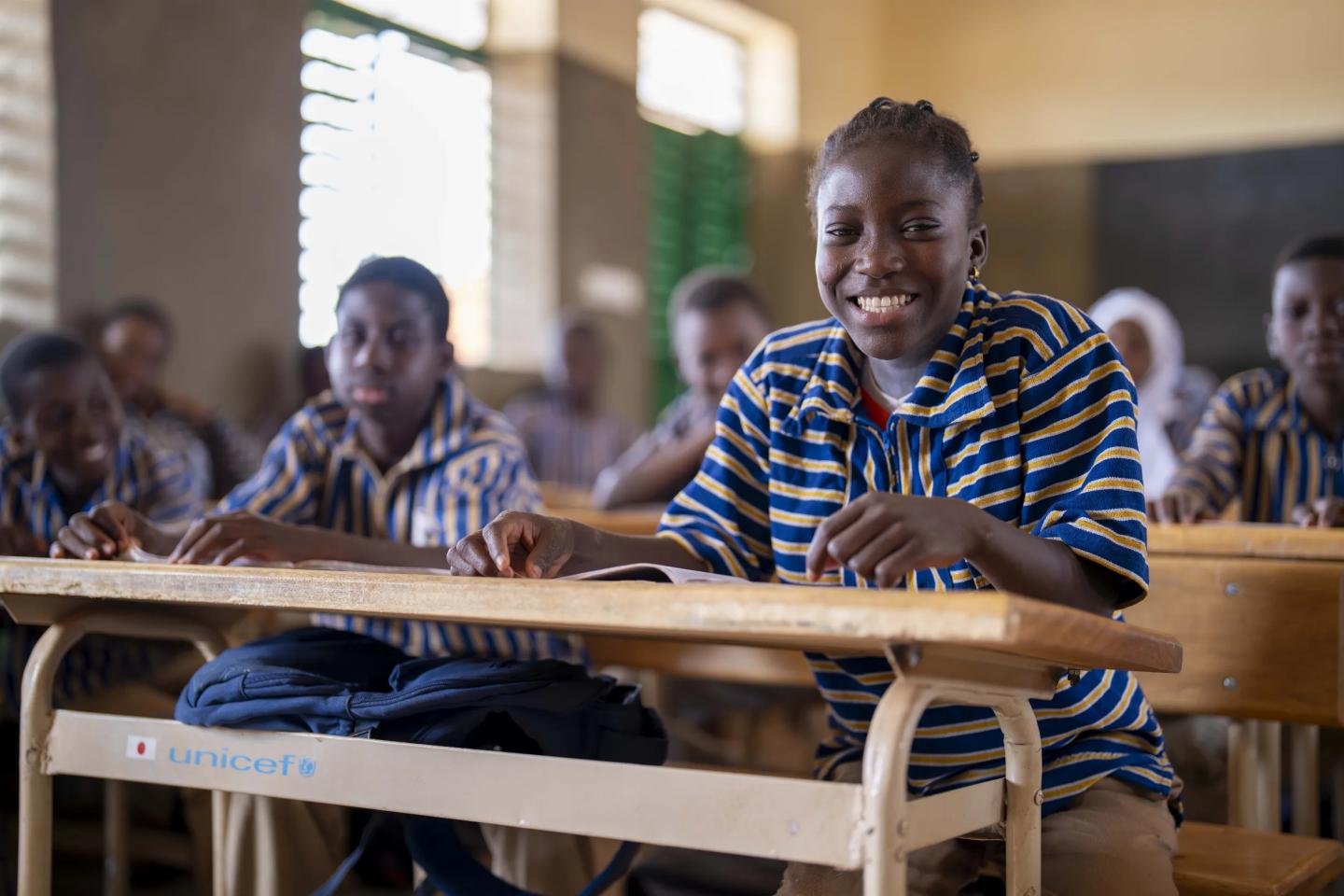
Meanwhile, the 2026–2030 RELANCE Plan provides a broader framework for the country’s development efforts. Education is one of its priorities, with plans to build school facilities and improve access to learning for young people. These investments are intended to support communities by expanding educational opportunities and strengthening local services.
In addition, agricultural infrastructure forms part of the territorial development strategy. Planned facilities include agricultural developments and large storage warehouses designed to protect harvests and improve food preservation.
Better storage capacity can help farmers limit post-harvest losses and maintain supplies for local markets. These measures also support the wider objective of strengthening national food security.
Beyond the construction projects, the initiative seeks to bring public investment closer to the needs of local communities. Drainage systems, solar lighting, schools and agricultural facilities are intended to improve everyday living conditions. Their impact will depend on effective implementation, maintenance and equitable distribution across the areas concerned.
Ultimately, the allocation of 55 billion CFA francs places territorial development at the centre of Burkina Faso’s infrastructure agenda. By directing resources towards essential public facilities, the government aims to support more resilient communities and encourage local development. The progress of these projects will be measured by their ability to deliver lasting improvements for residents in both urban and rural areas.