Burkina Faso is increasingly linking national sovereignty to the daily choices made by its citizens. The country’s economic independence is no longer seen only through politics, security or diplomacy. It is also being built through agriculture, local industries, markets and household consumption.
At the center of this strategy is a straightforward idea. Burkina Faso wants to produce more, process its resources locally and give greater priority to products made within the country.
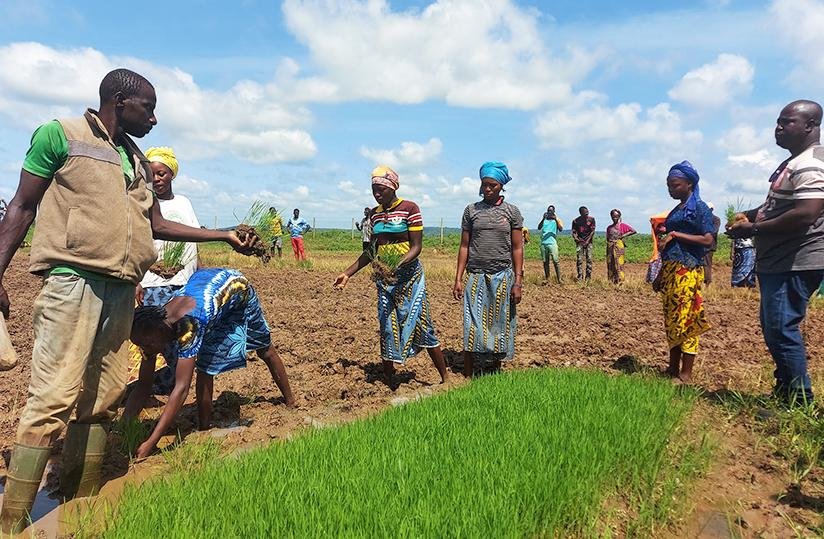
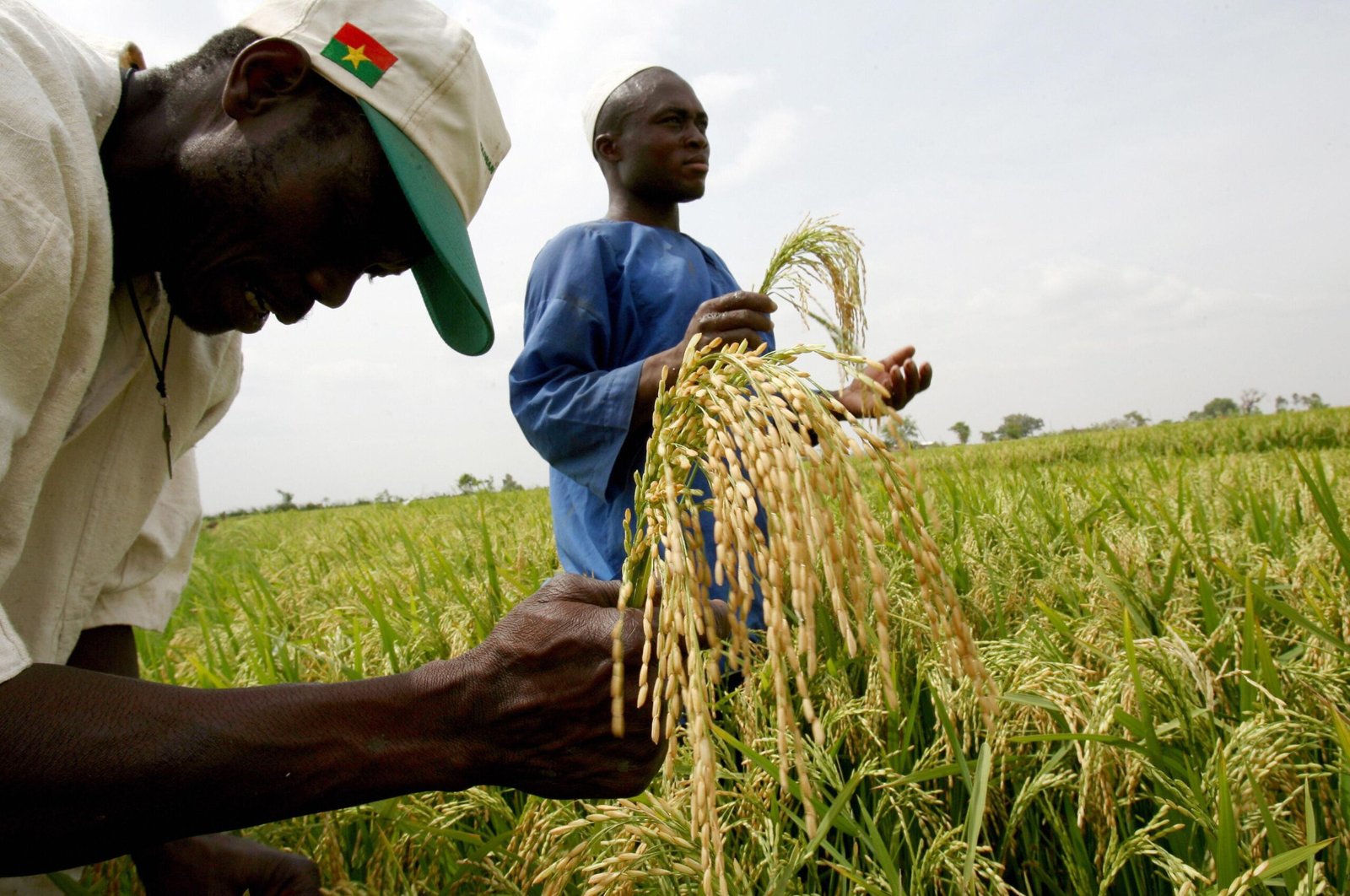
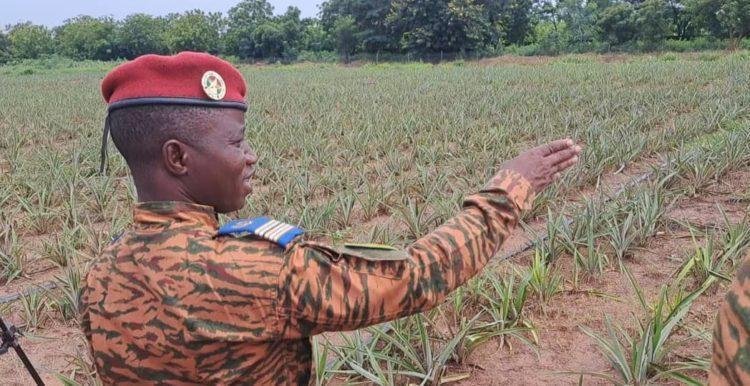
Agriculture remains the starting point. The country has strong production capacity, particularly in cereals and rice. These results show that local resources can provide a solid foundation for greater food independence.
However, producing raw materials is only one part of the challenge. The government also wants more national resources to be processed locally. Cotton, shea, sesame and livestock products can generate greater economic value when they are transformed inside Burkina Faso.
This approach could also create more jobs for young people. Instead of exporting raw materials and buying finished products from abroad, the country aims to develop industries capable of processing its own resources.
Consumer behavior is another important part of the strategy. Buying local rice, traditional food products and locally made clothing can strengthen domestic producers and businesses. These everyday decisions can therefore have a wider economic impact.
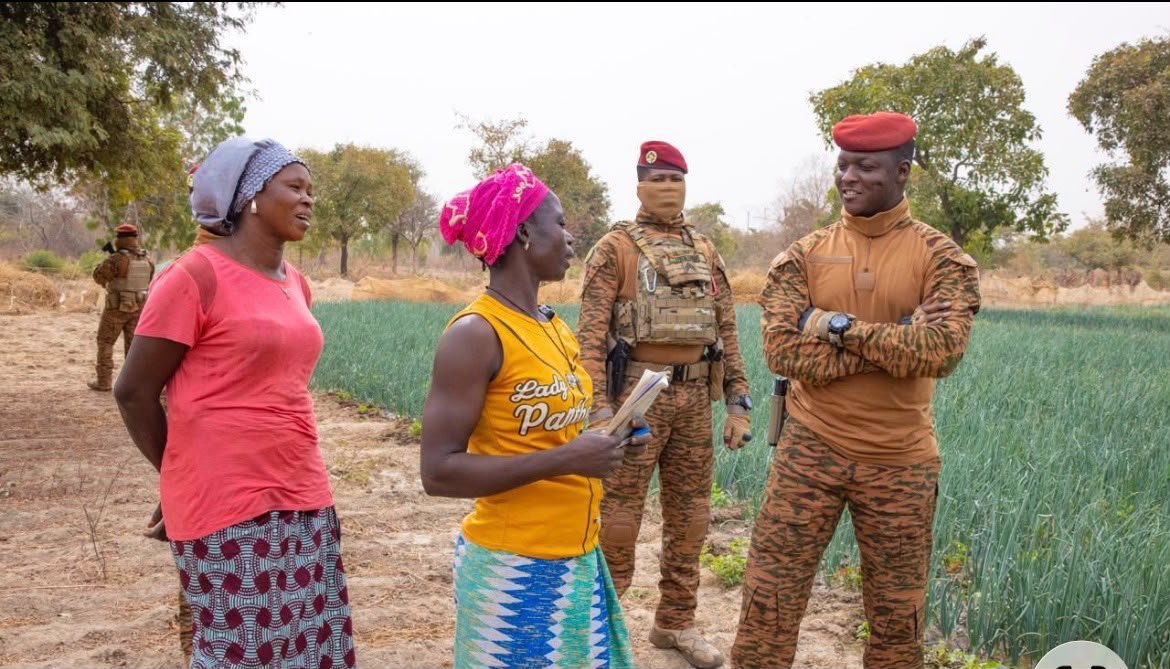
Women have a particularly important role in this process. They are active in agriculture, food processing, trade and household management. Their purchasing choices can influence which products gain a stronger place in local markets.
Traditional products are also becoming symbols of economic confidence. Foods, seasonings and textiles produced locally represent both cultural identity and economic opportunity.
More broadly, the initiative seeks to change how people view consumption. Supporting a local product means supporting the farmer, processor, trader and worker behind it.
Ultimately, Burkina Faso is presenting economic sovereignty as a collective effort. Its success will depend not only on government policies, but also on the choices of producers, businesses and consumers.
The country’s new economic message is therefore simple: produce locally, add value locally and consume locally. This chain could become one of the strongest foundations of Burkina Faso’s drive for greater independence.