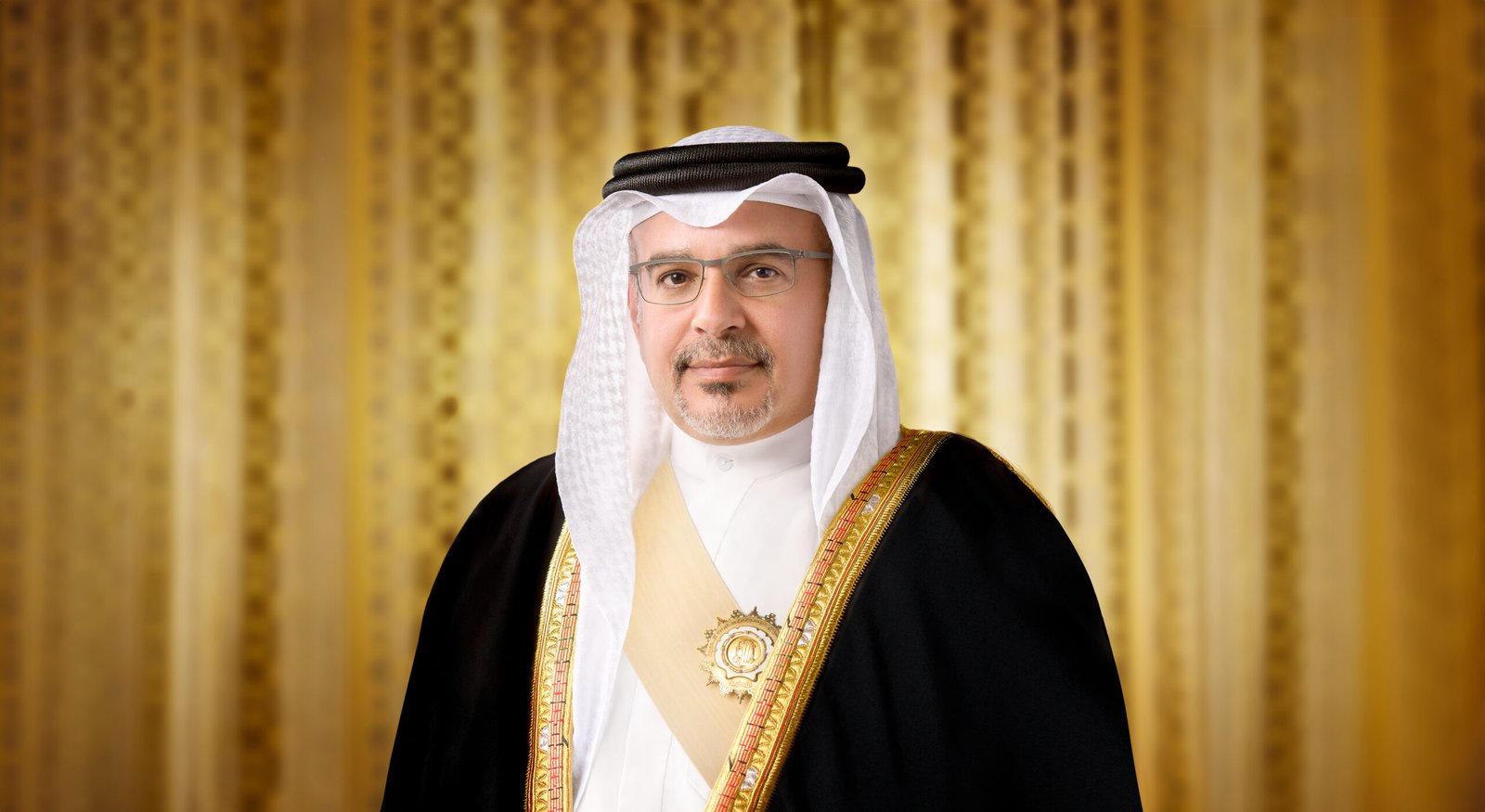
Bahrain’s Crown Prince and Prime Minister Salman bin Hamad Al Khalifa is betting that oil will no longer be the foundation of the kingdom’s prosperity and that digital finance will become the new engine. In 2026, the figures confirm the shift: the financial sector accounts for 17.6% of real GDP, making it the largest non-oil contributor to the economy. Non-oil sectors now exceed 80% of GDP, a performance that sets Bahrain apart from Gulf neighbours still largely dependent on hydrocarbons.
The diversification strategy is not new, but it has been accelerated under the direct impetus of the crown prince, who chairs the Economic Development Board (EDB).
In 2025, the EDB attracted a record amount of foreign direct investment: 942 million Bahraini dinars, or about $2.5 billion, across 107 projects, with more than 5,800 jobs expected over three years. Manufacturing captured the largest share, followed by tourism and financial services.
The real laboratory for this transformation is fintech. Bahrain was the first GCC country to launch a regulatory sandbox in 2017, then to frame open banking and digital assets.
The Central Bank of Bahrain, under executive impetus, has built a unified regulatory framework that now attracts more than 100 fintech firms.
The Fintech Forward 2026 forum generated over 60 memoranda of understanding and drew nearly 3,000 participants, illustrating the kingdom’s ability to turn its regulatory framework into a competitive advantage.
Giants such as Google Cloud are testing tokenised settlement infrastructure there in partnership with local banks.
Industry is not left behind. In February 2026, the Ministry of Commerce and UNIDO signed an agreement to establish a regional centre of excellence in prosthesis production and rehabilitation, mobilising artificial intelligence and 3D printing.
The project falls under the 2022-2026 industrial strategy and the 2025-2035 national innovation strategy, which aims to raise R&D investment to 2% of GDP by 2035.
Salman bin Hamad’s trademark is therefore less a rupture than a methodical acceleration: using the state’s position as regulator and investor to create an ecosystem where finance, technology and industry feed each other.
The bet remains fragile dependence on foreign investment and competition from Dubai and Riyadh persist but the trajectory is set: Bahrain no longer sells oil, it sells a legal framework and bilingual talent to global companies seeking a regulatory gateway into the Gulf.