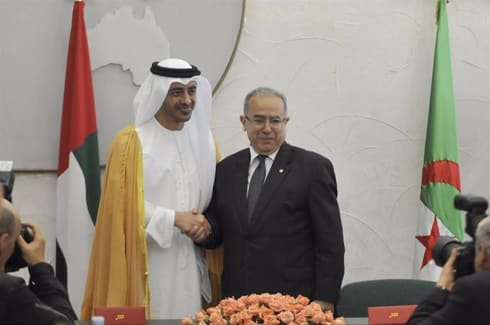
Algeria announced on Thursday, September 10, that it was cutting diplomatic ties with the United Arab Emirates.
The decision follows several years of growing tensions between the two countries. Relations between Algiers and Abu Dhabi had already deteriorated significantly.
According to Algerian state television, all efforts to preserve bilateral relations had ultimately failed. As a result, Algiers decided to end diplomatic ties.
Furthermore, Algerian authorities accuse Abu Dhabi of interfering in the country’s internal affairs. They also blame the UAE for contributing to regional instability.
Consequently, the Emirati ambassador in Algeria has been given 48 hours to comply with the decision. He is expected to leave the country within that period.
For several years, Algeria has expressed concerns about the UAE’s alleged involvement in its domestic affairs. Meanwhile, tensions have also extended to several regional issues.
President Abdelmadjid Tebboune has repeatedly criticized the UAE’s regional policies. In particular, he has accused Abu Dhabi of fueling instability across the Middle East and North Africa.
In July, Tebboune addressed the issue during a televised interview. He described the UAE’s regional influence as having a “very negative impact.”
Moreover, the Algerian president made a strong statement about Abu Dhabi’s involvement in regional affairs. He said, “Wherever they set foot, blood flows.”
At the same time, Tebboune urged the UAE to “stay away” from sensitive regional issues. He warned that such tensions could eventually affect Algeria.
The president also suggested that diplomatic ties could have been severed earlier. However, Algiers reportedly wanted to prevent deeper divisions within the Arab world.
Therefore, Algeria’s latest decision represents a major escalation in its dispute with the UAE. It also creates a new diplomatic rift in North Africa.