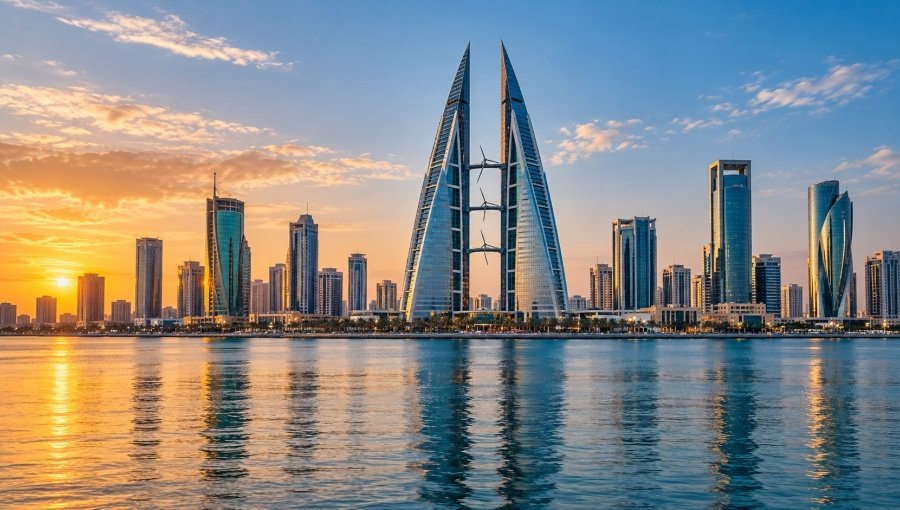
The Gulf is rewriting the grammar of its security, and Manama is once again establishing itself as the discreet but decisive laboratory of this metamorphosis. By hosting the 43rd meeting of the Interior Ministers of the Gulf Cooperation Council, the Bahraini capital did not merely provide a protocol framework for yet another summit: it imparted a vision.
In a region where balances are measured against the yardstick of permanent volatility, the kingdom succeeded in catalyzing a collective awakening, transforming the urgency of a regional crisis into a lasting pact for action.
Until now, security diplomacy was often conducted at the pace of reactions. Today, under Manama’s clairvoyant impetus, it is equipping itself with a strategic compass.
The unified threat document consecrates the maturity of a geopolitical space that understands its stability can no longer rest on fluctuating external guarantees, but on the sovereign architecture of its own resilience.
This turning point, eminently political, reveals the depth of the Bahraini doctrine on regional security: anticipation is worth all shields.
By institutionalizing a committee of experts tasked with scanning the horizon of risks, the GCC moves beyond the stage of an alliance of interests to assert itself as a community of destiny.
It is the mark of great diplomacies to know how to transform the upheavals of the present into foundations for the future.
For the region’s citizens as for international observers, this Manama summit sends a signal of absolute clarity. Sovereignty is not a slogan; it is a daily construction that demands method, audacity, and unfailing solidarity.
By establishing itself as the architect of this security convergence, Bahrain demonstrates that the size of a state is not measured by its geography, but by the reach of its strategic vision.
That is the whole art of modern diplomacy: uniting energies to face the storms of tomorrow, transforming every challenge into a historic opportunity for cohesion and power.