Senegal puts financial education at the heart of economic development. In Senegal, development is not limited to major infrastructure projects. It also depends on how citizens manage their money every day.
Against this backdrop, authorities have launched the second phase of the Financial Education Programme. The initiative aims to turn saving into a stronger driver of economic development.
Meanwhile, financial indicators already point to significant progress. Deposits in microfinance institutions reached 590.4 billion CFA francs in early 2025.
They stood at 421 billion CFA francs in 2021. This increase suggests growing confidence in community-based financial services.
However, major challenges remain. Only 9% of adults have a formal savings account, leaving much household wealth outside the organized financial system.
Therefore, financial education has become a strategic priority. Understanding how to prepare a budget can improve household financial management.
Likewise, knowing how to assess debt capacity can help people make more responsible borrowing decisions. Comparing financial products can also lead to better choices.
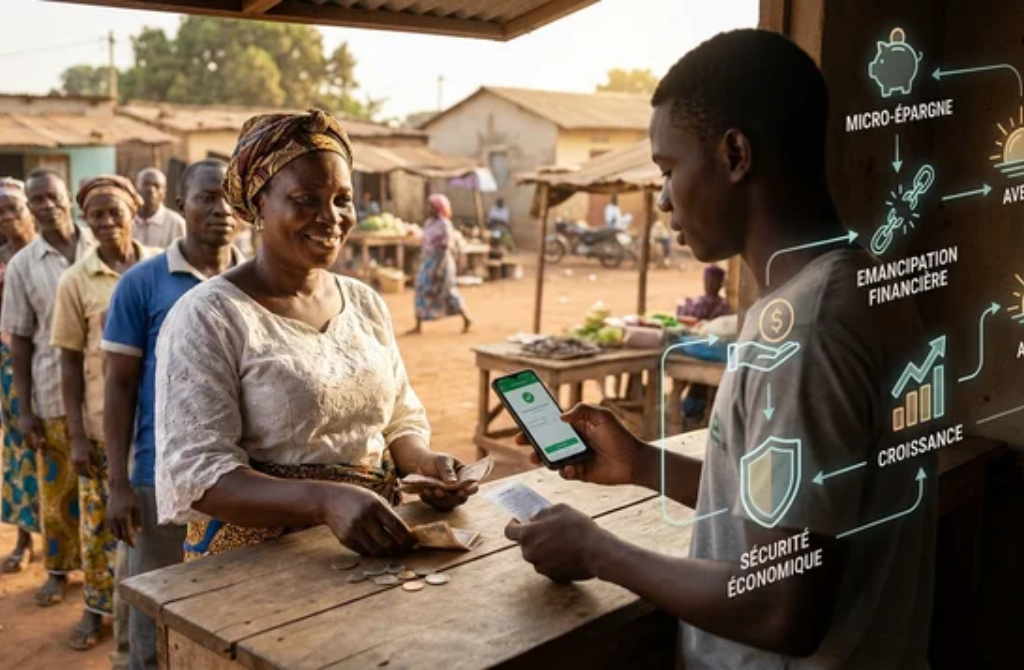
For low-income households, better spending management can strengthen their ability to face unexpected financial difficulties. In addition, regular saving can provide greater financial security.
For entrepreneurs, financial literacy can encourage more efficient use of credit. It can also support investment and strengthen business planning.
Consequently, the initiative goes beyond financial inclusion alone. Better-organized savings could increase funds available for economic activities and support small businesses.
Furthermore, stronger savings mechanisms could help consolidate Senegal’s microfinance sector. They could also reduce certain forms of financial dependence.
This approach could therefore encourage greater individual and household economic initiative. It also gives financial education a broader development role.
The Ministry of Microfinance and the Social and Solidarity Economy has adopted a nationwide approach. Its strategy combines media campaigns, community networks and local initiatives.
Through these efforts, Senegal seeks to make financial literacy part of everyday social practices. The objective is to bring financial knowledge closer to ordinary citizens.
This strategy also supports the ambitions of Senegal 2050. The national vision seeks to build an economy increasingly driven by domestic resources.
Ultimately, a population that saves wisely can become a national economic asset. Responsible borrowing and strategic investment can strengthen this potential even further.