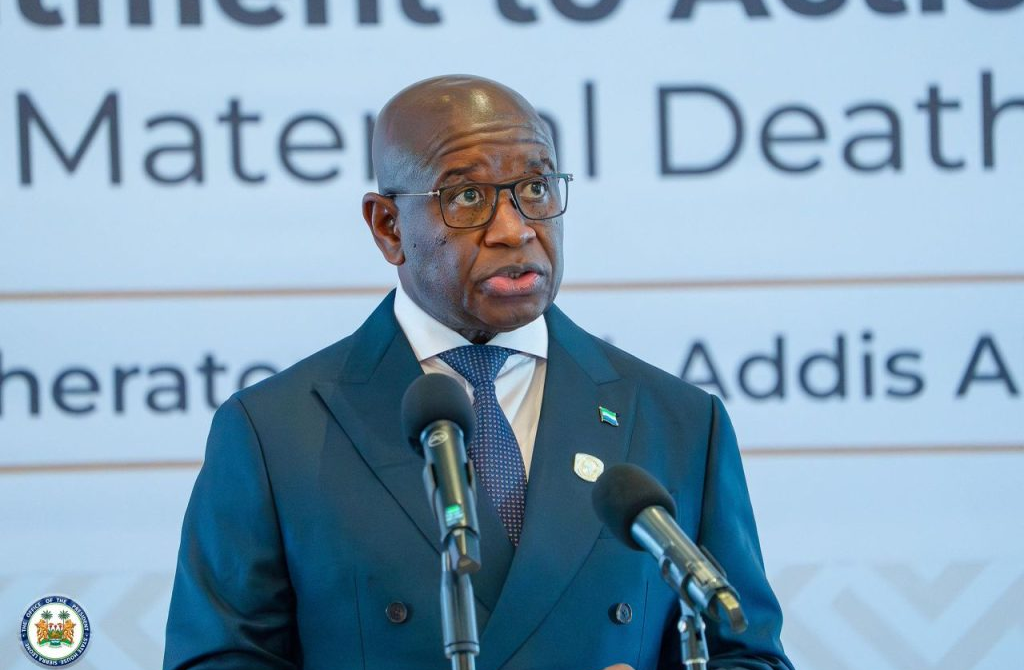
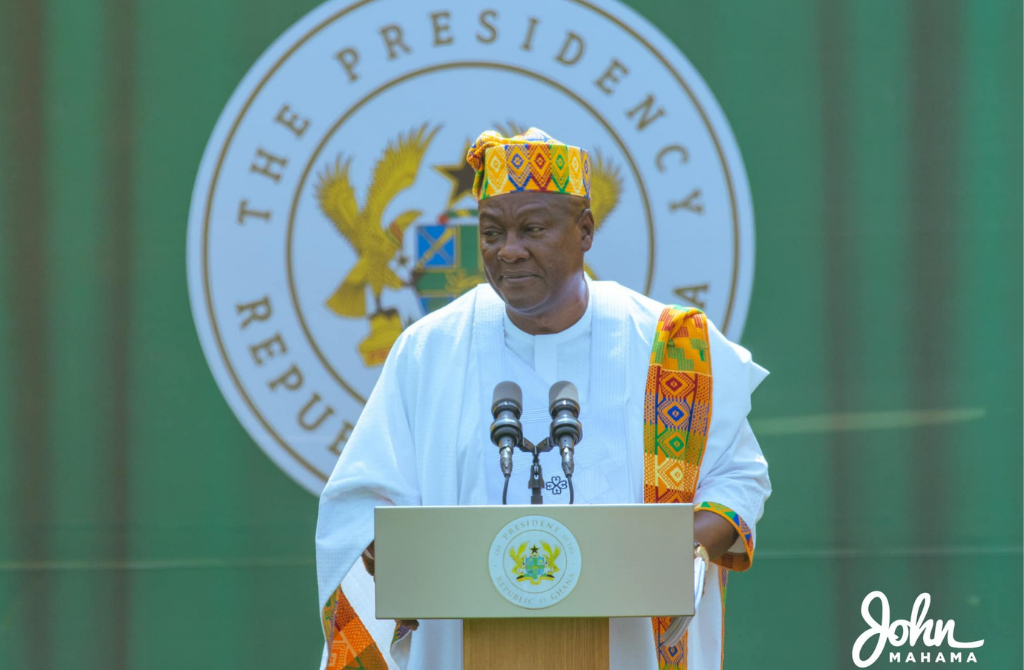
Ghana is crossing a new threshold in its development strategy by placing scientific research and innovation at the core of its national priorities. President John Dramani Mahama has entrusted Zanetor Agyeman-Rawlings with the mission of transforming the Ministry of Environment, Science, and Technology into a department more closely connected to the country’s needs.
During the swearing-in ceremony of the new minister on August 29, the President emphasized the need to support local inventors and to bridge the gap between universities, scientific institutions, and businesses.
He wants young people to be able to apply their technological skills to key sectors such as agriculture, health, energy, industry, and the digital economy.
The goal is to make research a tool capable of generating solutions and jobs, rather than a sector operating on the margins of economic needs.
The stakes are high. Ghana’s spending on research and development accounted for only 0.39% of GDP in 2024 still below the national target of 1%. That same year, 125 research findings were adopted by industry, and 32 technologies were commercialized.
While these figures reflect progress, they also highlight the persistent challenges in converting more scientific work into products, services, and economic activity.
To accelerate this transformation, President Mahama launched the Ghana National Research Fund in June 2026, initially endowed with 100 million cedis (approximately 8 million dollars), to finance research, particularly in doctoral and postdoctoral programs.
This initiative aims to increase resources dedicated to research and strengthen ties between the scientific community and the productive sector.
Artificial intelligence is also among the priority areas. In April 2026, Ghana launched its national AI strategy and announced a 250-million-dollar investment to establish a computing center designed to support research and the development of local solutions.
The country has also set aside 20 million dollars to support the initial implementation phases of this roadmap.
By betting on research, innovation, and artificial intelligence, John Mahama is laying the foundations for a knowledge-based economy, where young people’s scientific skills become the engine of sustainable and inclusive growth.
An ambitious wager for a Ghana that aspires to rank among the most innovative nations on the continent.