Since taking power, Captain Ibrahim Traoré has placed economic sovereignty at the centre of Burkina Faso’s development strategy. The objective is to reduce dependence on foreign countries by strengthening domestic production, industry, agriculture and energy supplies.
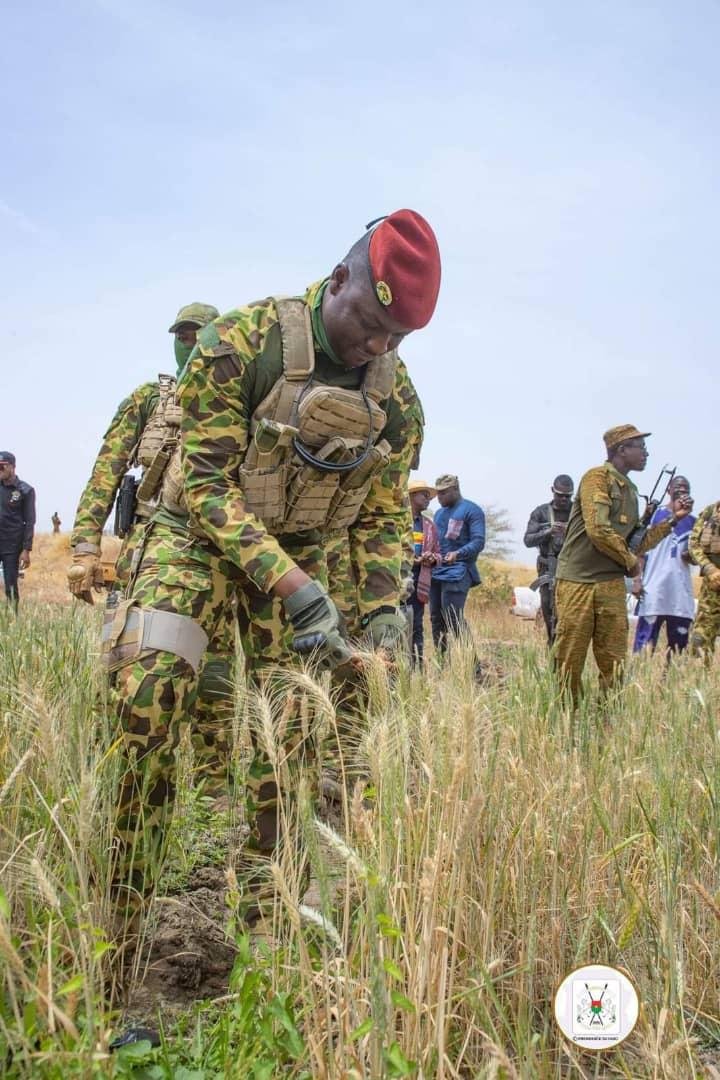
First, agriculture remains a major priority. The government is investing in irrigated farming areas to increase production during the dry season. These initiatives aim to reduce food imports, secure harvests and provide farmers with more stable working conditions.
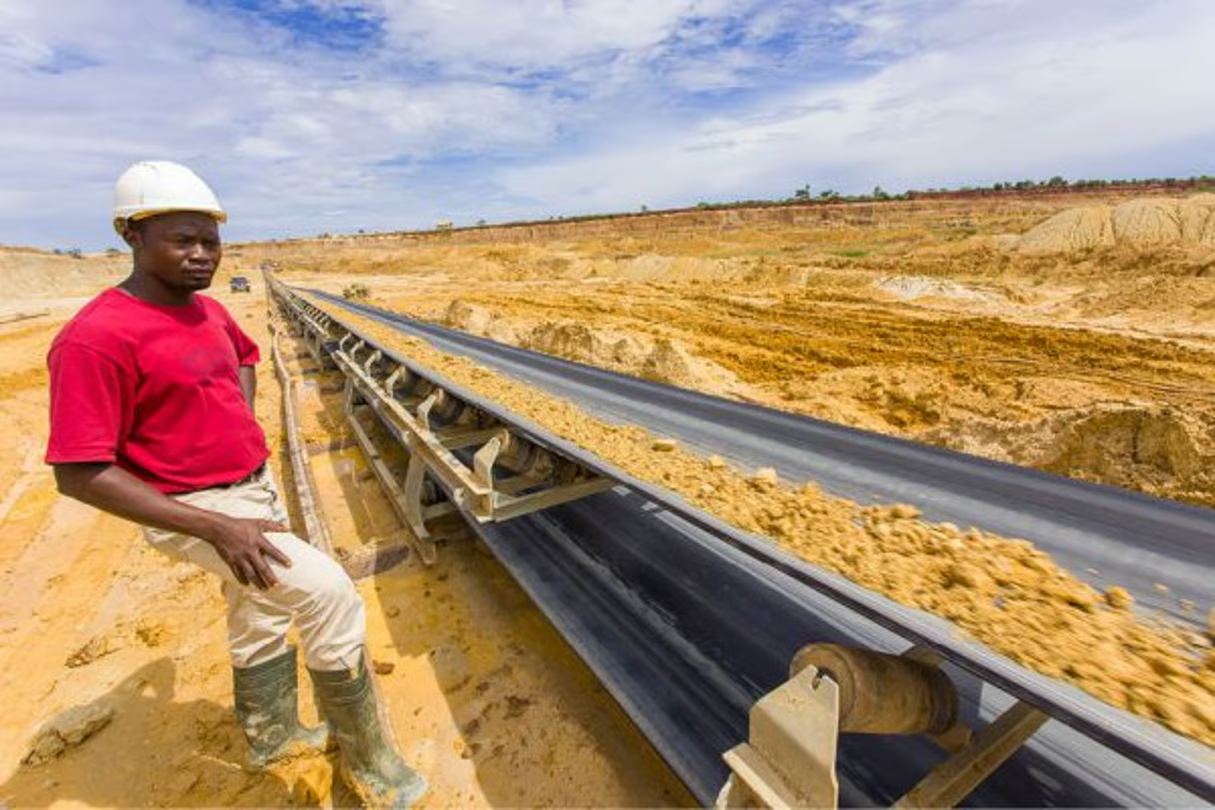
Furthermore, Burkina Faso is seeking to process more of its natural resources locally instead of exporting raw materials. Initiatives involving the Société viticole du Burkina Faso, TEXFORCES-BF, RAFFINOR-BF and Agroserv Industrie illustrate efforts to diversify the economy, create local value and generate employment, particularly for young people.
Energy and infrastructure development
Meanwhile, access to electricity is another important part of the strategy. Through initiatives such as Faso Wa-Fulu, the authorities aim to expand electricity access across the country, with a target of universal access by 2030. Reliable electricity could support industrial growth, improve public services and strengthen living conditions.
In addition, the government is promoting public-private partnerships to finance infrastructure projects. These arrangements can help mobilise investment for roads, electricity and water systems while limiting pressure on public finances.
Protecting national economic interests
Finally, the authorities have emphasised the fight against fraud, counterfeiting and illegal trade. These efforts aim to protect public revenue, support legitimate businesses and strengthen economic regulation.
Overall, Burkina Faso’s sovereignty strategy focuses on expanding domestic production, developing local industries and improving access to essential infrastructure. Its long-term impact will depend on investment, implementation and the ability to create sustainable economic opportunities for the population.