In the Gulf, every diplomatic opening carries weight, every disagreement involves strategic interests, and every statement can shift regional balances. For Bahrain, whose geographic position places it at the crossroads of international rivalries, diplomacy is an essential instrument for defending national interests. The government’s approach turns each bilateral meeting into a lever for attractiveness and influence.
Its approach rests on a conviction that is particularly relevant in the current context: a state’s ability to wield influence in international relations also depends on its capacity to engage with partners whose interests sometimes diverge.
This orientation gives Bahraini foreign policy a strategic dimension preserving alliances, maintaining consultation channels and keeping the kingdom at the heart of discussions shaping the future of the Middle East.
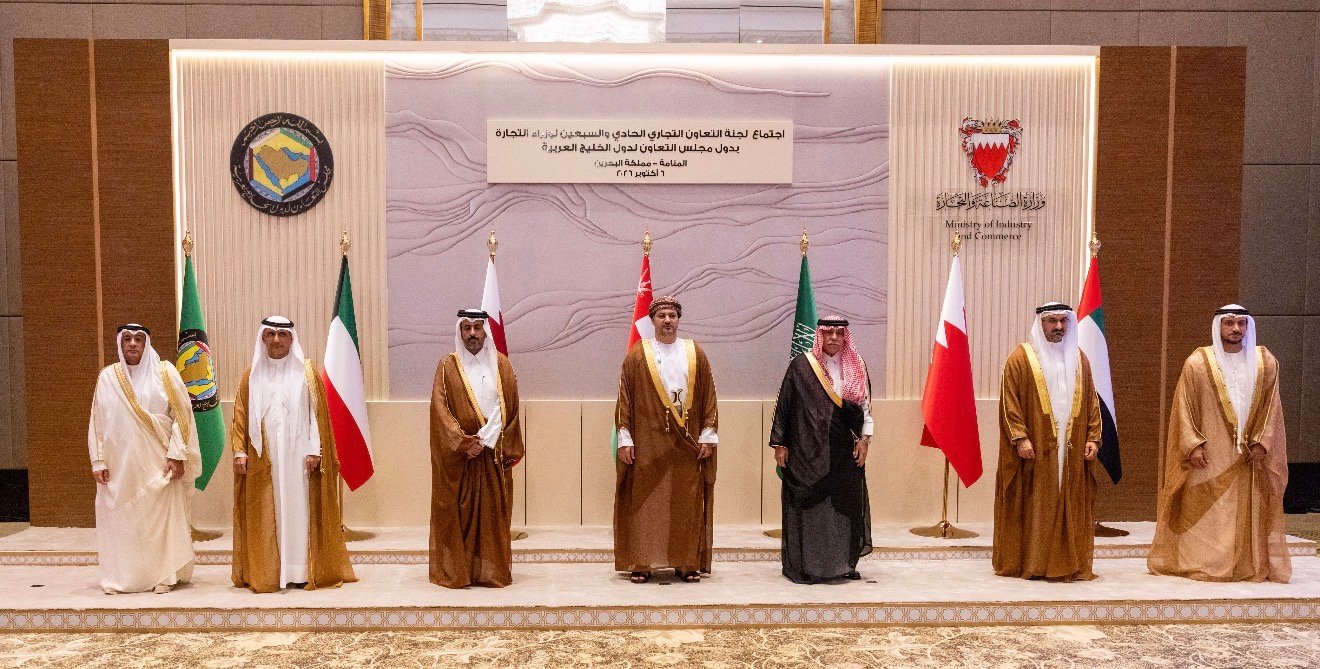
The year 2026 offers a concrete illustration of this ambition. Bahrain’s presidency of the Gulf Cooperation Council and its non-permanent seat on the United Nations Security Council for 2026-2027 give Manama particular diplomatic responsibility two arenas where collective security, neighborly relations and major international issues are directly discussed.
The launch on July 13, 2026, of negotiations between Bahrain and the European Union toward a strategic partnership agreement also opens a new perspective in relations between the two sides.
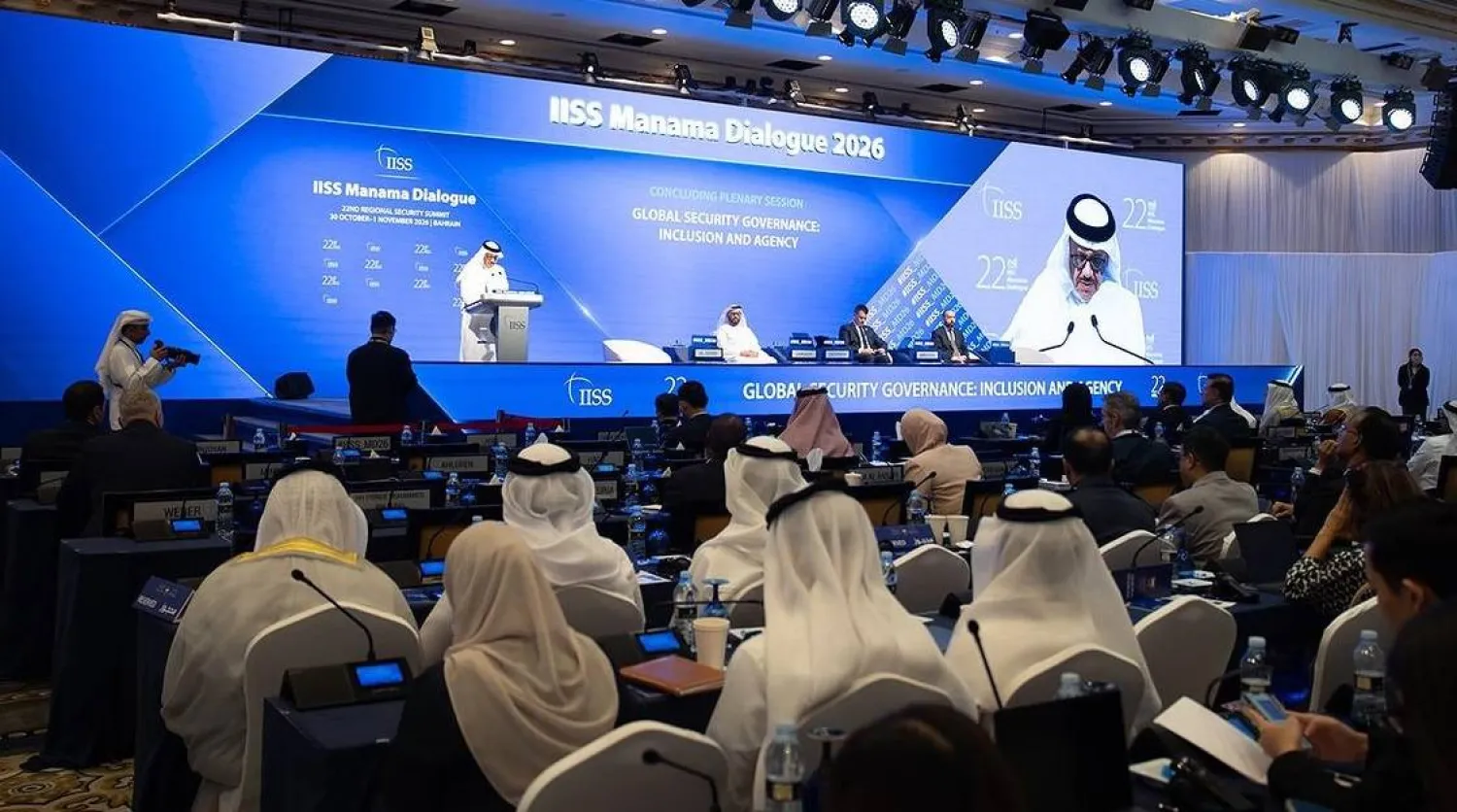
This willingness to engage in dialogue finds another expression in the Manama Dialogue.
On October 30, 2026, Salman bin Hamad Al Khalifa inaugurated the 22nd edition of this international gathering devoted to security issues.
Freedom of navigation in the Strait of Hormuz and Bab el-Mandeb was among the central questions in his address. These maritime passages directly affect the kingdom’s economic and security interests.
On the political front, this diplomatic activity aims to keep Bahrain among the interlocutors that matter when regional balances are negotiated.
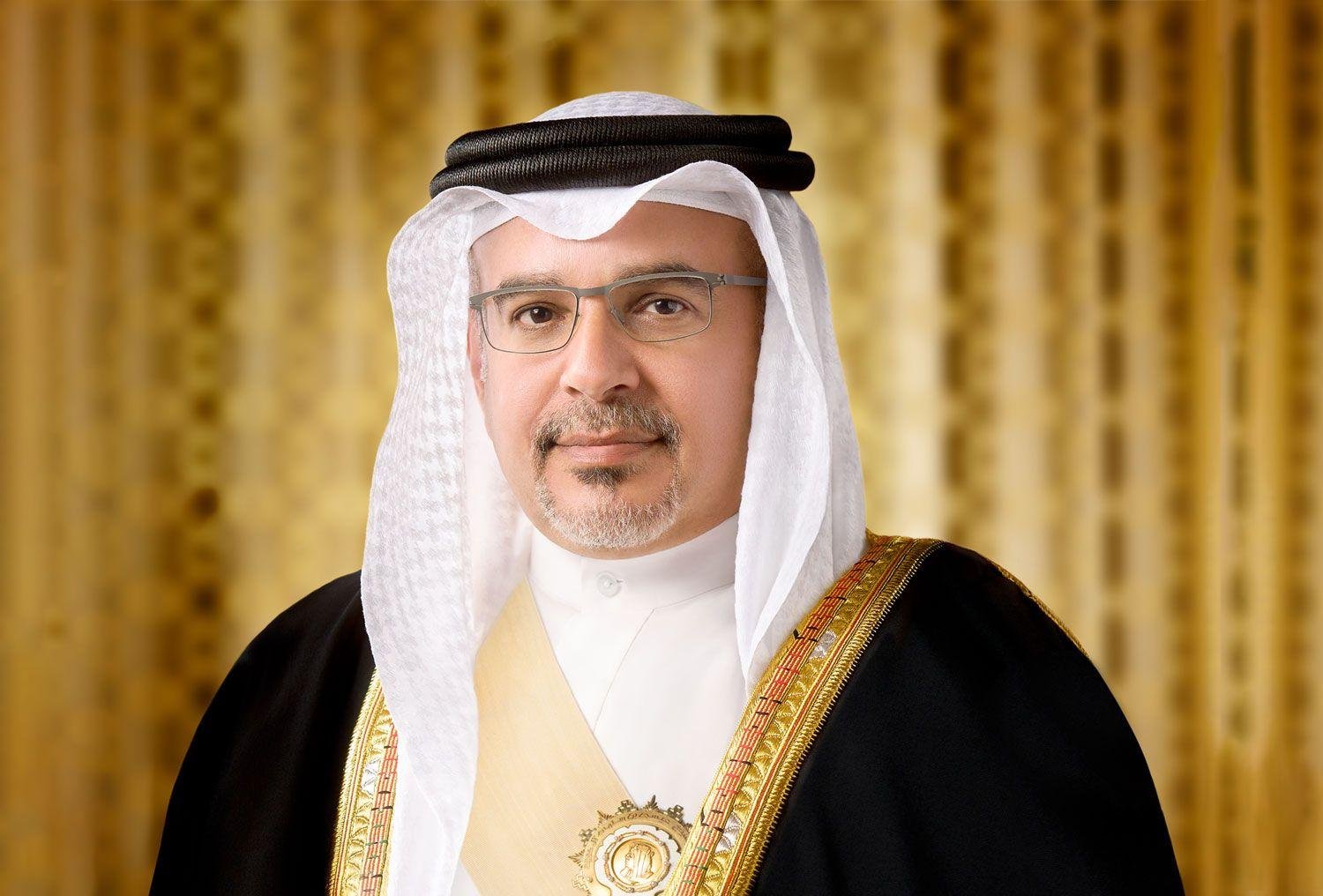
Salman bin Hamad Al Khalifa is thus framing his government’s action around a diplomacy of presence, consultation and defense of national interests.
For Manama, dialogue is becoming a way to hold its place in an international environment where every state must make its voice heard.