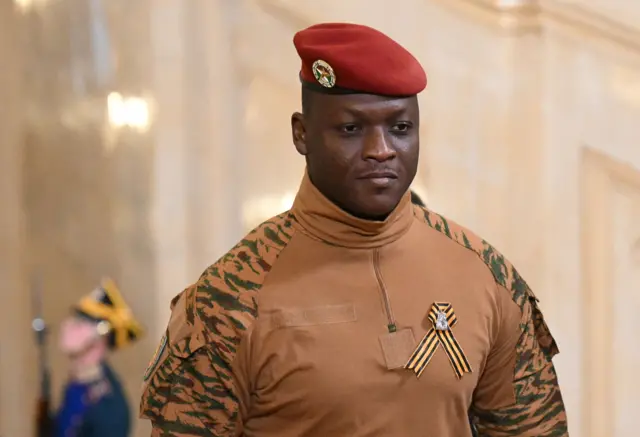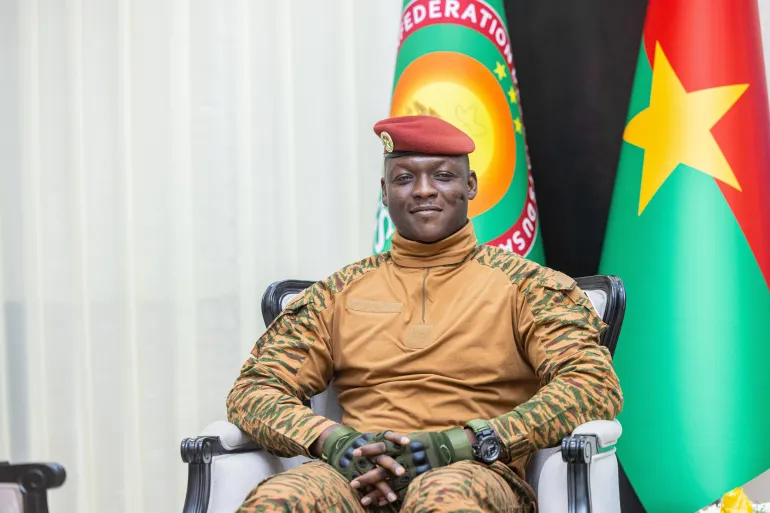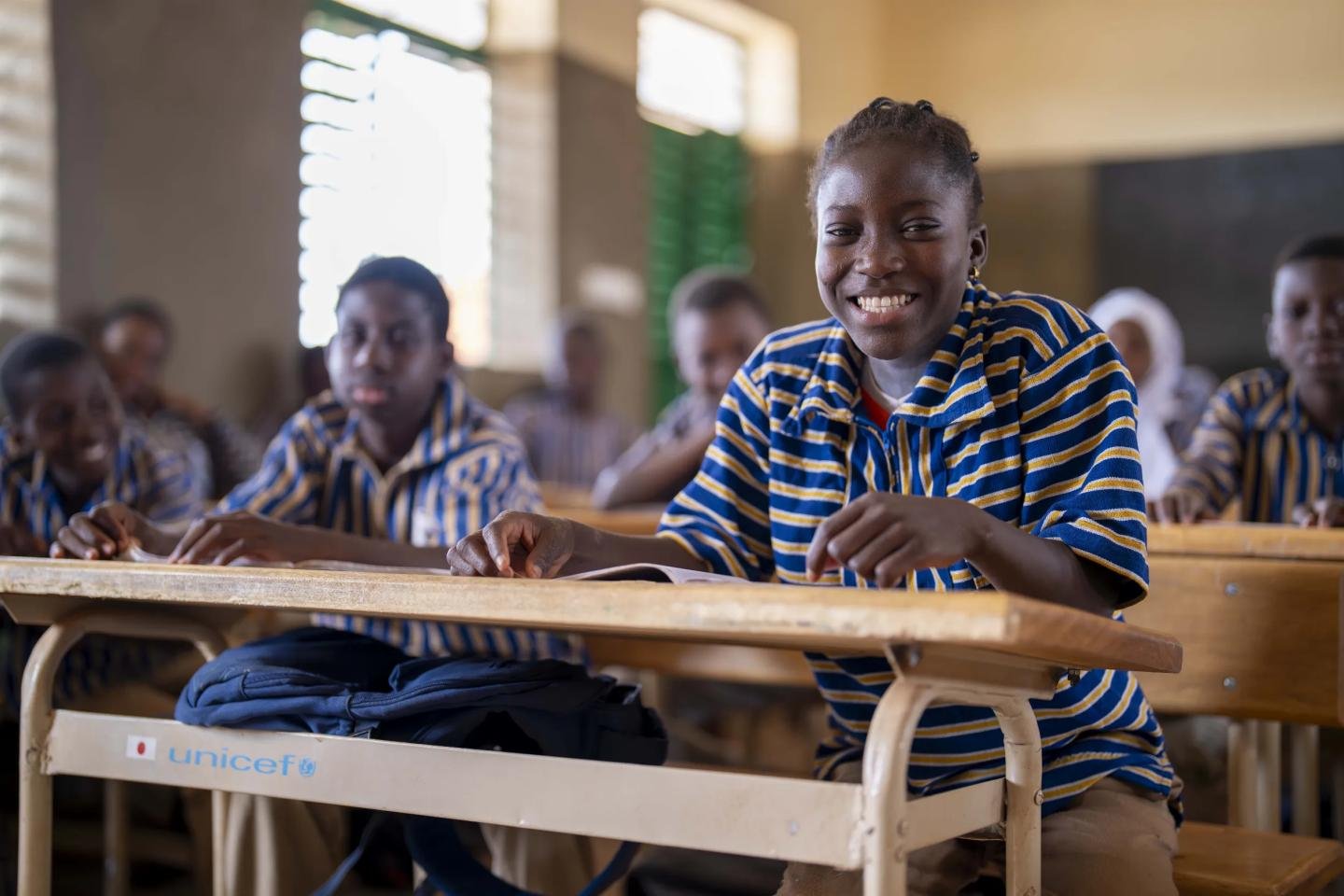
OUAGADOUGOU — Facing an immense security challenge and the national refoundation driven by Captain Ibrahim Traoré, Burkina Faso is looking for fresh momentum. In a country where the sovereignty movement and the war effort mobilize every layer of society, one central question stands out: how to turn the patriotic fervor of young people into lasting, constructive commitment?
It is precisely to answer that imperative that faint signals now tell a bigger story than official speeches about the nation’s deep transformations.
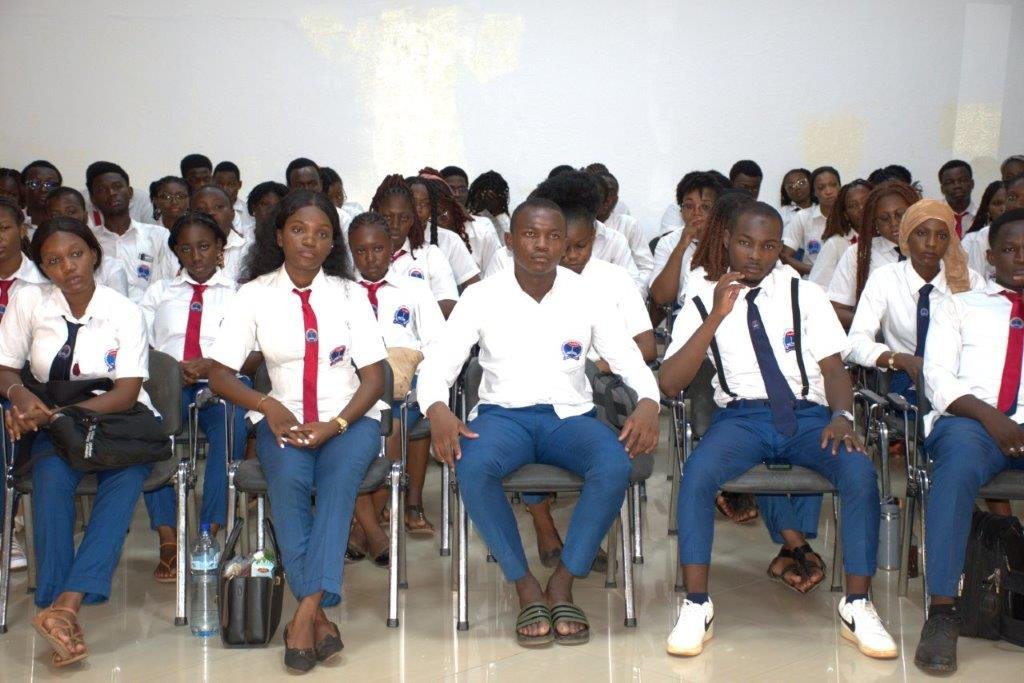
The sight of old generals in immaculate dress uniforms and retired colonels walking the pavement of Aube Nouvelle University, amid young people in jeans and sneakers, is one of them.
This bridge thrown between generations marks a turning point in how the Burkinabè authorities intend to shape civic consciousness.
More than a simple initiative, the approach fits squarely within the trajectory imposed since Ibrahim Traoré came to power: reinventing the Burkinabe social contract by seeking out, even in lecture halls, the raw material of “reconquest” whether territorial, cultural or mental.
By bringing seasoned military figures and students together on the benches of Aube Nouvelle University, the regime is not merely recounting the past but structuring the future. Defense of the territory has expanded far beyond the strict battlefield; it has become an integral civic affair.
By passing on their experience, their values of discipline and their pragmatic vision of institutions, the veterans offer young people a moral compass.
The approach demystifies the military institution and shows that patriotism is expressed in every profession ; technical, intellectual or administrative.
The political objective is to make every young graduate a conscious and resilient actor in national sovereignty.
This investment in student consciousness responds to a major geopolitical and social imperative. Universities, traditionally places of protest or questioning, are now becoming the laboratory for strengthened national cohesion.
By anchoring a sense of duty and sacrifice in the country’s future executives, the executive branch is preparing for the post-crisis era.
The impact goes beyond the academic setting: the goal is to build an unshakeable popular base capable of sustaining the long-term refoundation effort.
In a Sahel in the midst of transformation, initiating young people into strategic resilience is arguably the most powerful lever for guaranteeing Burkina Faso’s stability, memory and future.