
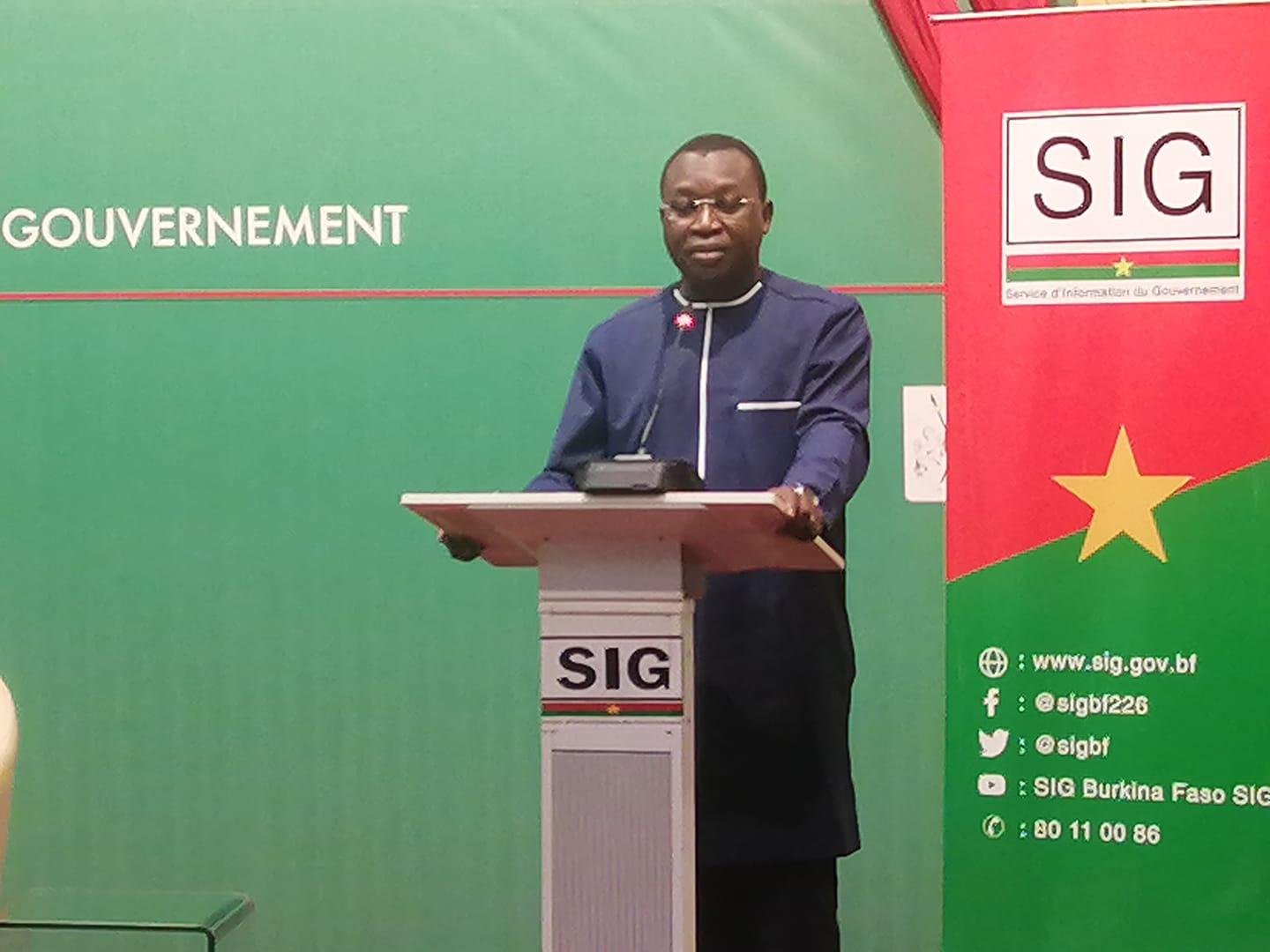
Burkina Faso is placing communication at the heart of its approach to governance. The government seeks to inform citizens, explain its decisions and maintain a closer relationship with the population.
More than a public relations exercise, this strategy has become an important part of government action. In a difficult regional environment, authorities consider clear communication essential to maintaining social cohesion and public confidence.
Regular government communication has therefore become a central practice. Council of Ministers reports, press briefings, ministerial statements and public discussions provide citizens with regular updates on national policies.
At the same time, ministers increasingly explain their reforms directly to the public. These exchanges give citizens opportunities to understand government decisions and raise questions about issues affecting their daily lives.
The government also relies on several communication channels. Public broadcasters, private media, community radio stations, television and digital platforms help reach different parts of the population.
Furthermore, the use of national languages makes official information more accessible. This approach helps explain complex policies linked to food security, justice, economic development and local production.
Clear communication also plays a role in fighting misinformation. Burkina Faso operates in an information environment where rumors and misleading narratives can spread quickly.
By responding with regular and accessible information, public institutions can limit the space available to false claims. Better-informed citizens are also more capable of identifying misleading content and sharing reliable information.
Beyond information, this strategy aims to strengthen public participation. National initiatives and government-led activities attract citizens who increasingly engage with the public debate and community actions.
This relationship can contribute to greater social resilience. Security efforts remain important, but communication also helps citizens understand national priorities and feel connected to a common objective.
Ultimately, the Burkina Faso experience shows that communication can become a genuine governance tool. When information is regular, accessible and understandable, it can strengthen trust between institutions and citizens.
For the government, the challenge is now to maintain this consistency. Communication must remain a daily responsibility, capable of informing the population, explaining public action and supporting national unity.