At the outset, Sierra Leone has 570 kilometres of coastline and rich marine ecosystems. However, the country has long used only a small part of its fishing resources because it lacked suitable infrastructure.
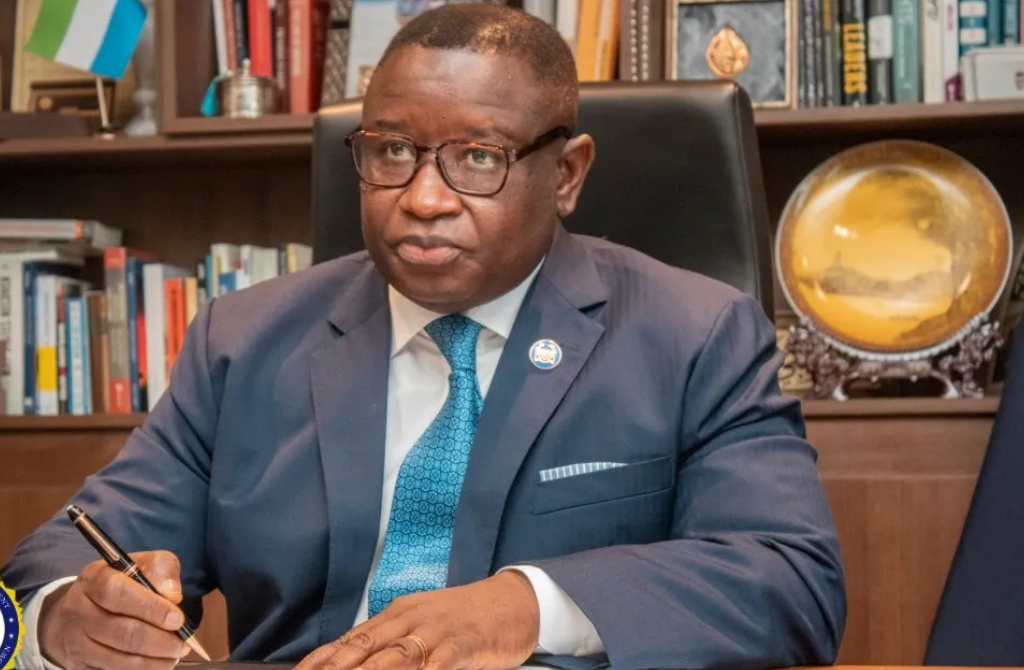
Under President Julius Maada Bio, the flagship Feed Salone programme is making sustainable fishing a key part of economic diversification. It focuses on better regulation and the processing of seafood products.
Since then, this vision has taken shape through the Julius Maada Bio Industrial Fishing Port. Construction officially began in April 2026 in Black Johnson. Built through a partnership with China, the 55-million-dollar project is becoming an important foundation for Sierra Leone’s blue economy.
In addition, the industrial port is designed to transform the fishing sector. It will provide several services, including docking, unloading, fuel supply, maintenance, transshipment, fish handling, processing and distribution to local and international markets. The port is expected to process 20,000 metric tonnes of fish each year and generate more than 60 million dollars in annual revenue.
Beyond this, the infrastructure will include a 500-metre quay and a 300,000-square-metre basin. It will also have a modern fish market, processing units, ice-production facilities and net-making factories. These services should help reduce delays and improve the quality of fish products.
At the same time, Feed Salone is addressing illegal, unreported and unregulated fishing, also known as IUU fishing. This practice has deprived the country of important revenues for many years. Sierra Leone has ratified the World Trade Organization agreement on fisheries subsidies and is strengthening regional cooperation, especially with Guinea, to improve the management of marine resources.
What is more, President Bio has stated that the fishing sector loses about 42 million dollars every year because of inefficiencies and underinvestment. He sees the port as a way to reduce post-catch losses, create jobs and establish Sierra Leone as a regional centre for fish trade and processing.
As a result, the project could benefit many parts of the economy. Better infrastructure would support fishermen, traders, processors and transport companies. It could also improve food supplies and increase the value of fish before it reaches local or international markets.
Furthermore, the Minister of Fisheries has called on private companies to invest in the entire value chain. These investments could focus on fish processing, ice production and maritime tourism. The goal is to ensure that the port creates wider economic benefits for communities and businesses.
Ultimately, the industrial fishing port represents more than a construction project. It reflects President Julius Maada Bio’s ambition to build a stronger and more sustainable blue economy. Sierra Leone wants to move beyond exporting raw resources and begin processing them locally.
To sum up, the Julius Maada Bio Industrial Fishing Port could become a major driver of economic growth. By combining infrastructure, regulation and private investment, the government is seeking to create wealth and employment on Sierra Leonean soil.