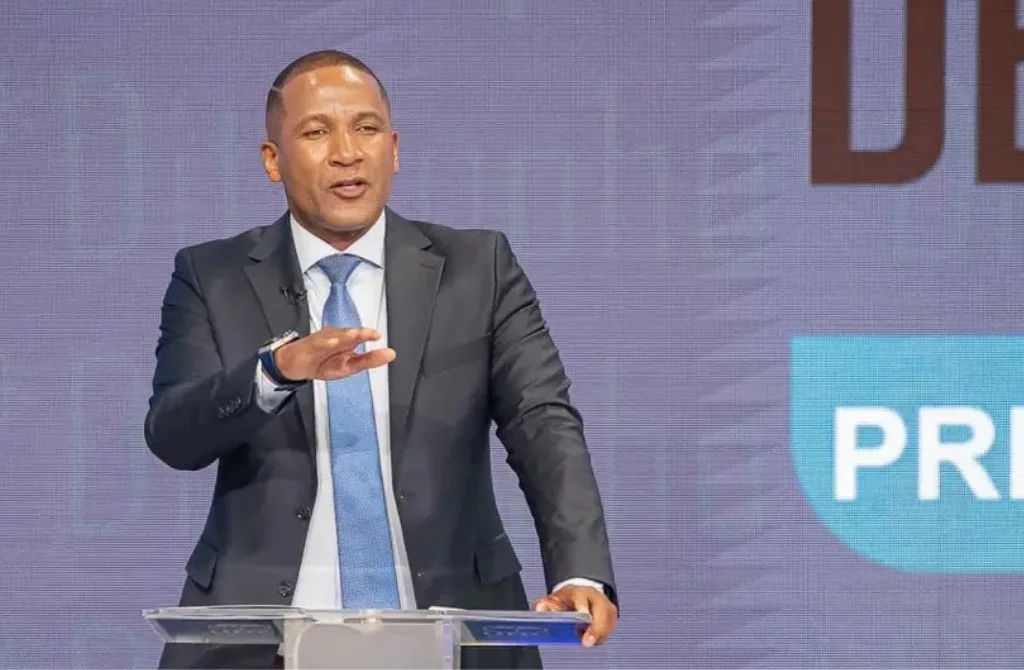
From the moment he assumed the presidency of Botswana, President Duma Boko placed a single word at the heart of his programme: accountability. For the new head of state, breaking with decades of « institutional satisfaction » inherited from the single-party era of independence is the non-negotiable condition for restoring trust—both among citizens and international investors.
A right for every African citizen
« Peace and stability in Africa must be anchored in accountable and responsive governance, » the president declared, adding that this principle constitutes « a fundamental right for every African citizen » and « the necessary foundation for any measure of economic development and sustainable development. »
This statement goes far beyond diplomatic posture: it reflects a personal conviction forged through years as a human rights lawyer before the former opposition leader became, in November 2024, the first president from a party other than the BDP in 58 years of the country’s electoral history.
Transparency as a magnet for investment
Before his continental audience, Boko insisted on the direct link between transparency, respect for the rule of law, and a country’s ability to attract sustainable foreign investment a message all the more significant given that Botswana already boasts one of the region’s best governance scores, with 59 points on the Corruption Perceptions Index, behind Seychelles and Cape Verde but far ahead of the sub-Saharan average.
A response to economic pressures
This demand for accountability comes against a tense economic backdrop: slowing growth, persistent dependence on diamonds, and the pressing need to diversify an economy still vulnerable to global market shocks.
For the president, investor confidence will not be won through tax incentives alone, but by the certainty that institutions function, that public procurement is transparent, and that the state accounts for its management to citizens and external partners alike.
A high-stakes but coherent vision
By articulating his economic vision around governance rather than natural resources alone, Duma Boko seeks to place Botswana on a trajectory distinct from that of many African states still trapped by resource rents and opacity.
It is a high-risk political gamble, but one consistent with the image he has built since entering politics: that of a leader for whom institutional integrity is not an added virtue, but the very precondition for development.