Nearly 40% of the United Arab Emirates’ foreign aid over the past decade has been directed to Africa, totaling about $20.9 billion. The figure is not mere generosity: it reveals how a Gulf state is using development assistance as a systematic lever of economic and political influence across the continent.
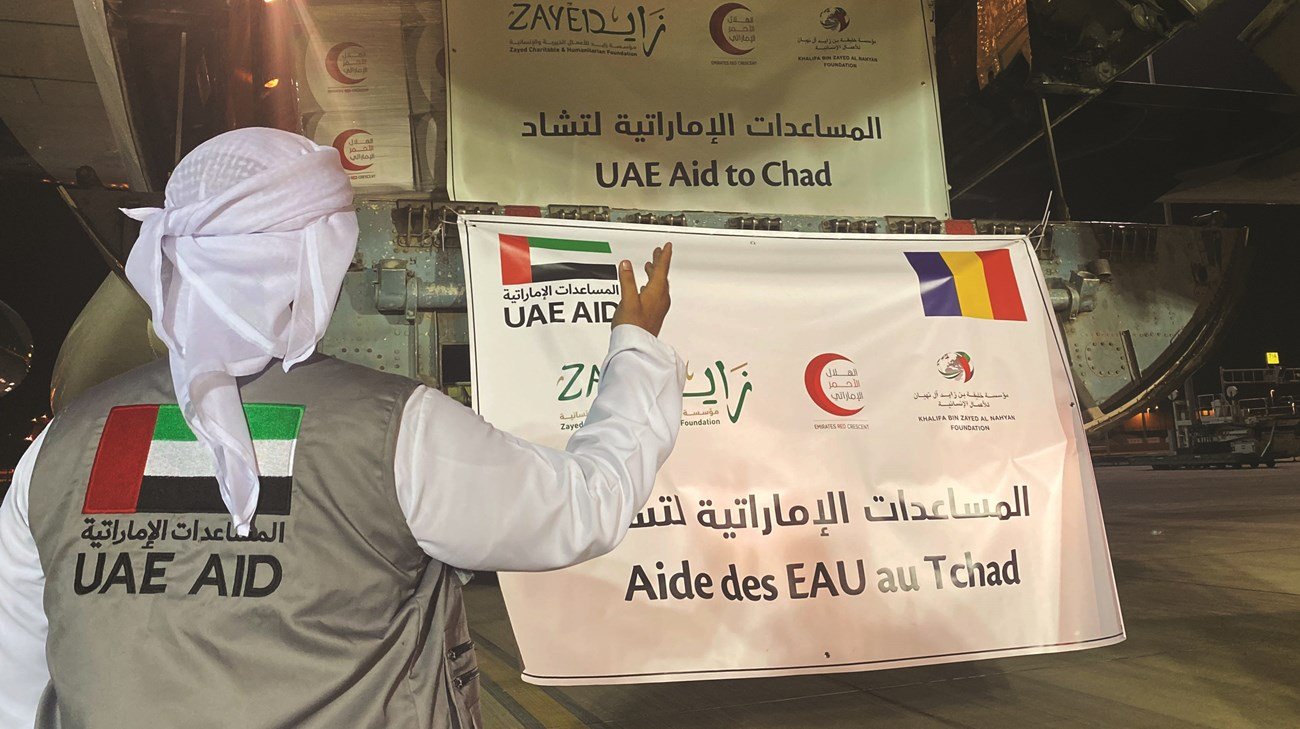
According to Emirati foreign ministry officials interviewed on the sidelines of the 2026 African Union summit, the UAE has devoted about $20.9 billion to Africa over the past ten years, covering development aid, humanitarian assistance and charitable donations.
More significant still: the sum represents nearly 40% of the UAE’s total foreign aid over the same period. For a country that is not a traditional top-tier donor, concentrating such a share of its resources on a single continent reflects a clearly strategic intention.
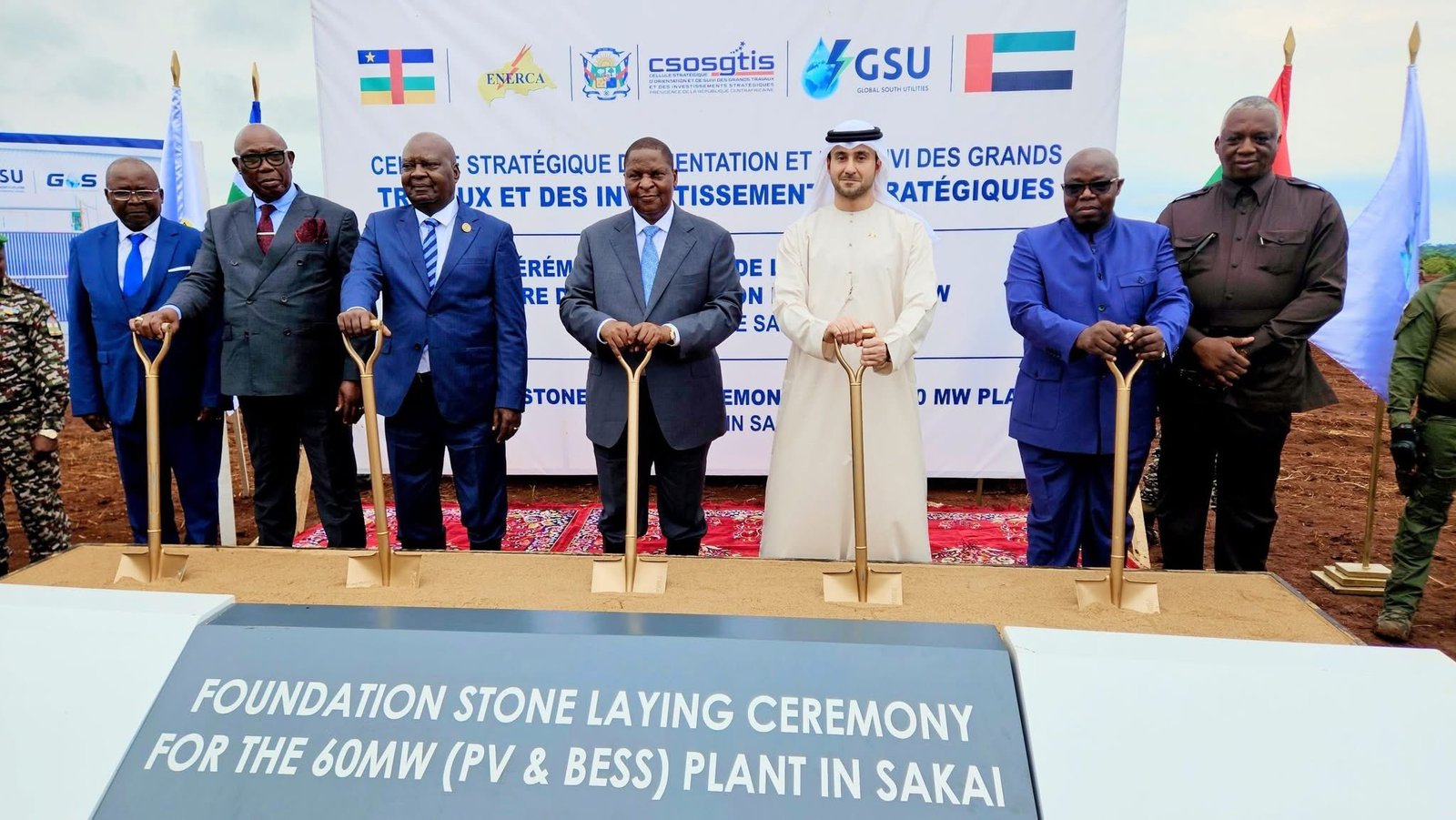
The aid architecture is closely intertwined with investment strategy. Between 2019 and 2023, Emirati commitments in Africa exceeded $110 billion, including more than $70 billion in energy and renewables. Masdar’s projects on the continent and the Etihad 7 initiative, which aims to provide electricity to 100 million Africans by 2035, are the most visible illustrations.
Aid plays a preliminary role here: humanitarian and charitable financing shapes a benevolent image and opens doors, while commercial investments then consolidate market positions.
Geography and targeted sectors are anything but random. Energy transition, water security and logistics infrastructure are the stated priorities. In late 2026, the UAE will co-host a United Nations water conference with Senegal, cementing the integration of the issue into their African cooperation.
At the same time, economic partnership agreements signed with Kenya, Nigeria and the DRC, as well as port modernization projects in Dar es Salaam and Luanda, are drawing a strategic map of Africa structured around trade corridors and the energy transition.
Admittedly, the $20.9 billion warrants a critical look. The line between aid and investment is not always clear in the UAE’s relationship with Africa; the intertwining of development financing and commercial interests is both the model’s strength and its ambiguity.
But for a state seeking to establish a lasting foothold on the continent, devoting four-tenths of its foreign aid to Africa is in itself the most sincere declaration of intent. Aid is never just aid: it is the vanguard of influence, the down payment on a relationship, the early investment in a configuration of interests spanning decades.