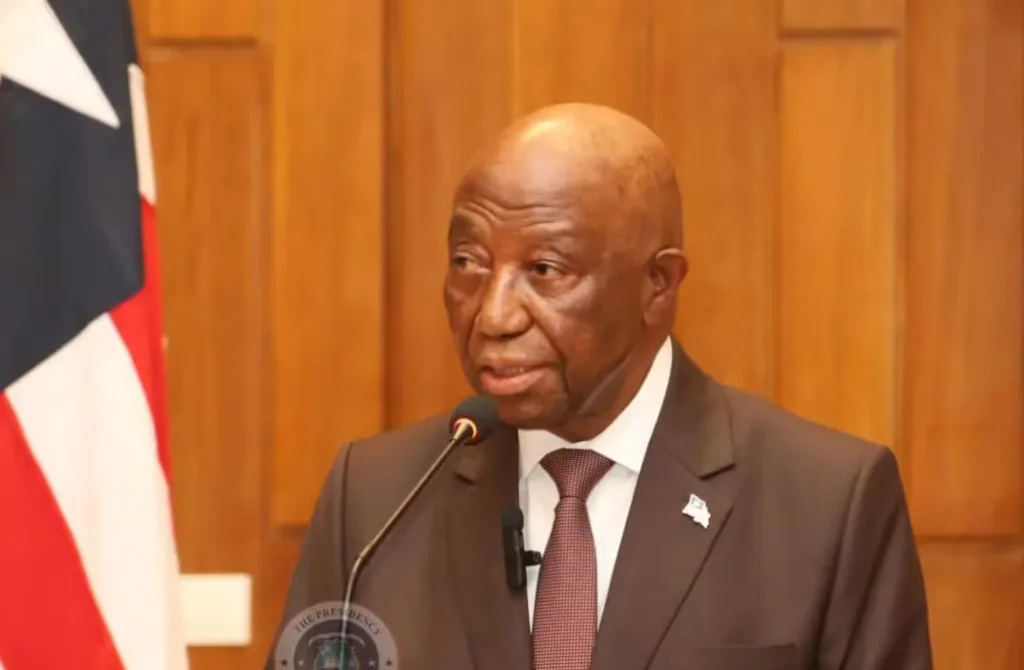
At the outset, Liberia faces a major economic challenge: only about 33% of the population has access to electricity. Under President Joseph Boakai, this problem has become the main priority of a compact worth several hundred million dollars, negotiated with the American Millennium Challenge Corporation (MCC).
Since then, the process has moved forward quickly since the beginning of the year. In February and March 2026, an MCC mission worked with the Liberian government to study the main causes of the energy crisis. In April, a delegation travelled to Washington to confirm the priorities of the future compact.
In addition, on June 3, President Boakai approved three concept notes. They focus on electricity, professional skills development and governance in the mining sector. Two days later, the documents were sent to the MCC. The institution’s Investment Committee is expected to make a decision at the end of July, with final approval expected in early August 2026.
Beyond this, the government has set an ambitious target. It wants to increase access to electricity from 33% to around 70%, or even 75%, within four years. For Finance and Planning Minister Augustine Kpehe Ngafuan, energy is the “fundamental problem” holding back the rest of the economy. Without reliable and affordable electricity, businesses and investments cannot grow properly.
At the same time, President Boakai has personally asked government agencies to coordinate their work. He has also called on them to maintain strong results on the MCC scorecard. This is important because the country must remain eligible for the programme. He also requested that the concept notes be presented to the Cabinet as a national priority.
What is more, this approach shows rare cooperation between different parts of the government. A technical issue such as electricity is being treated as a central national concern. The government wants all ministries and agencies to work together to achieve the same goal.
As a result, the project is not only about economic figures. Liberian officials also highlight its human importance. They hope to turn plans into real infrastructure that can improve daily life. Schools, hospitals and industries could receive continuous electricity, while families could have light in their homes at night.
Ultimately, if the compact is approved in the summer of 2026, it could mark an important turning point for Liberia. For decades, the energy shortage has limited private-sector growth and discouraged international investors. President Boakai’s goal is clear: make electrification the foundation of a wider economic transformation.
To sum up, the new MCC compact could become more than an infrastructure project. It could show that strong governance and careful planning can turn a technical partnership into a tool for sustainable development.